Portfolio
Recent Exhibition
World Earth Day
Radical Earth: Incubator for Utopian Publishing
Winchester School Of Art
21 & 22 April 2026
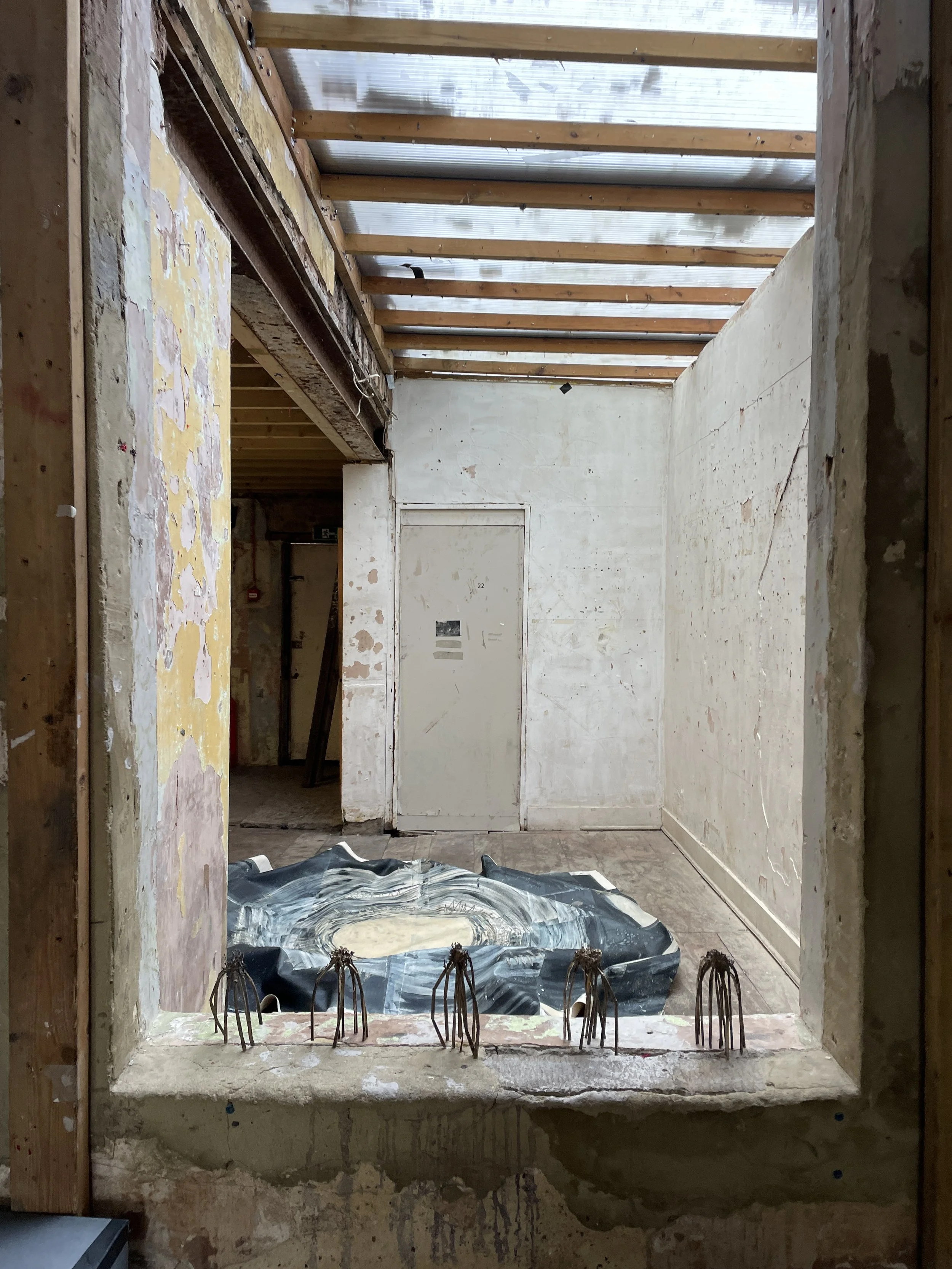
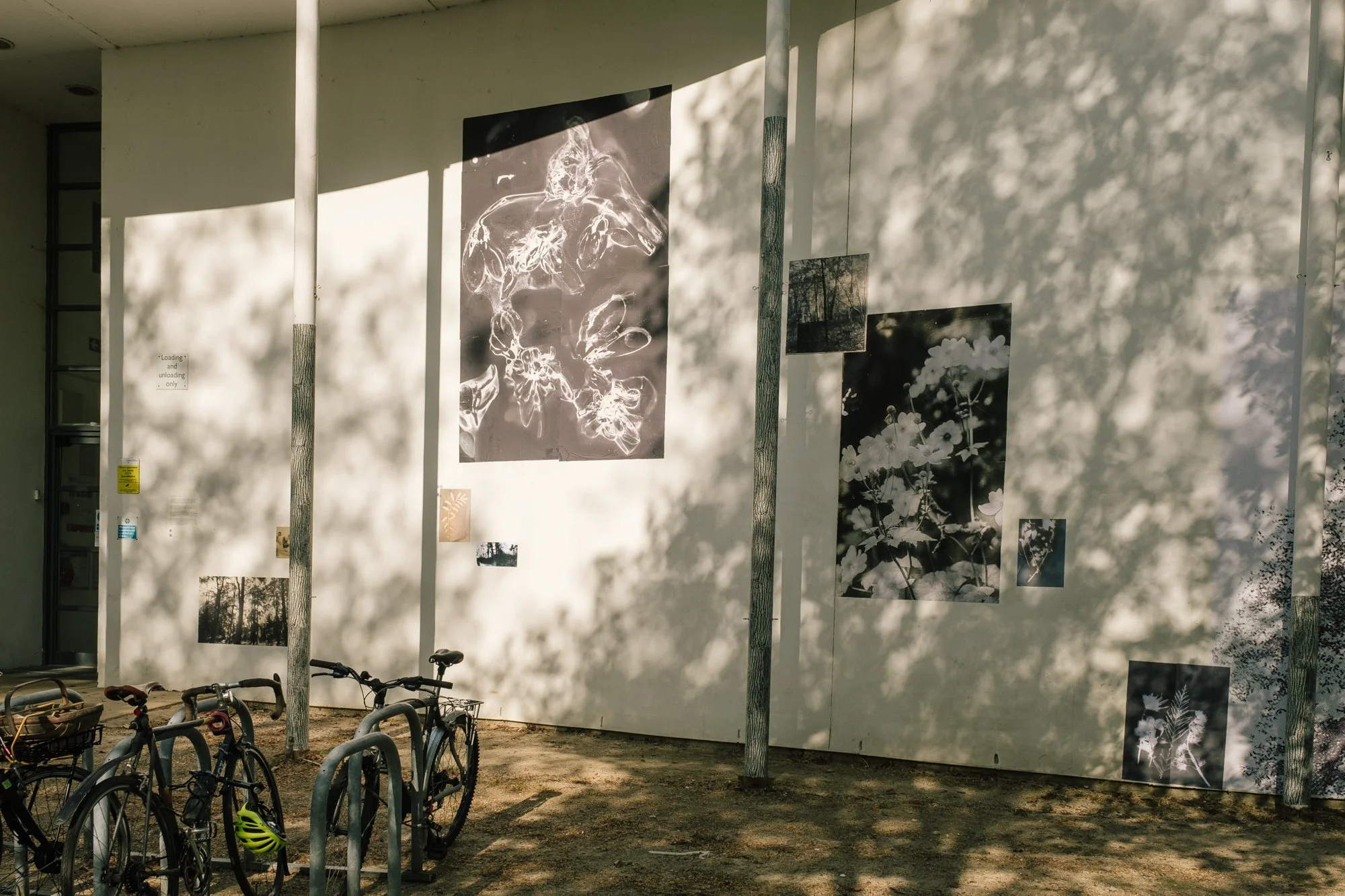
Hosted by Winchester School of Art’s Design department, this immersive in-person event fostered progressive, utopian dreaming in a circular space that mirrored the Earth’s cycles. The two days consisted of talks and workshops featuring Robin de Carteret’s Deep Time walk (systemsgames.org.uk) & System Thinking, Rob Hopkins’ Time Machine workshop (robhopkins.net), and Åbäke’s World Earth Night & Alternative Realities—harnessing radical design thinking, experimental publishing under Publishing Futures: Temporal Ecologies, and generous systems for solidarity-driven healing and reimagining sustainable ways of living. Abfall (@abfall___) and Eileen White (@eileenwhiteart) created a paste-up exhibition and workshop. Each strand explored speculative design, climate, systems, regenerative futures, and creative approaches to navigating complexity.
Paste, Protest, Grow
Paste-up, as seen in the work of Eileen White and Abfall, has long been associated with subcultures, protest and direct communication. It exists outside traditional institutional space, often occupying streets, walls and urban surfaces. Using this strategy, both artists present their work in a raw and unfiltered way. The aesthetic can appear glitchy, misprinted or imperfect, yet the imagery remains powerful and direct. This tension between rough execution and strong visual impact becomes central to how the work communicates.
Abfall often explores these formats through repetition, layering and placement. Within this, the image of the tree emerges as a central motif, a symbol of resilience, holding strength in fragile ground while being shaped and manipulated by human interference. The tree is not just a background element, but a protagonist: standing, growing and witnessing.
Eileen’s process-based, ecocentric photographic practice creates material encounters and entangled assemblages by collaborating with both living plant-based materials and recycled waste matter. Equal priority is given to both the provenance and afterlife of materials. She uses a slow, democratic approach to making that includes using DIY and low-tech methods, cultivating a language of presence, respect, care, and connection, whilst highlighting the significance of labour and the ongoingness of matter
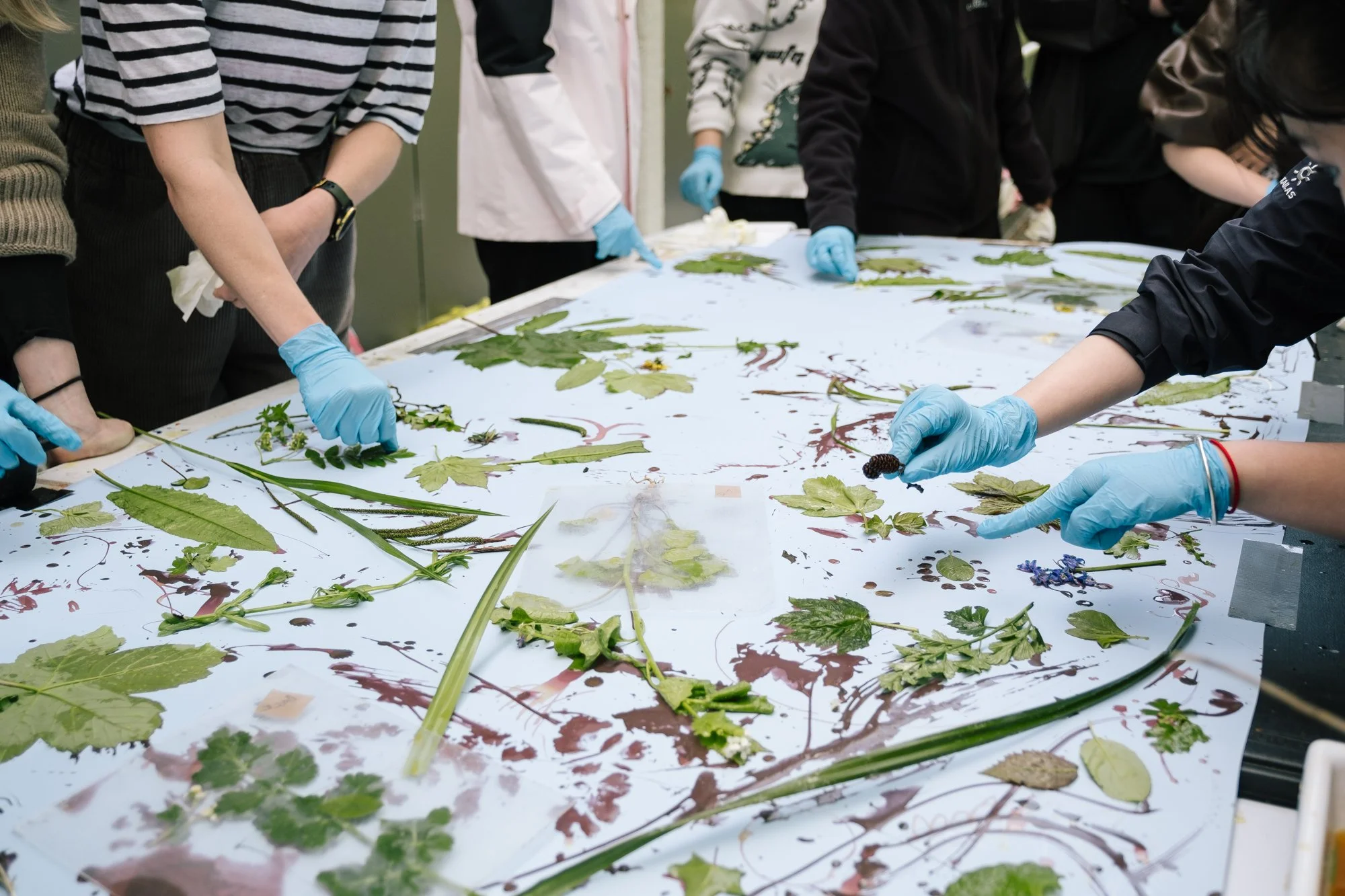
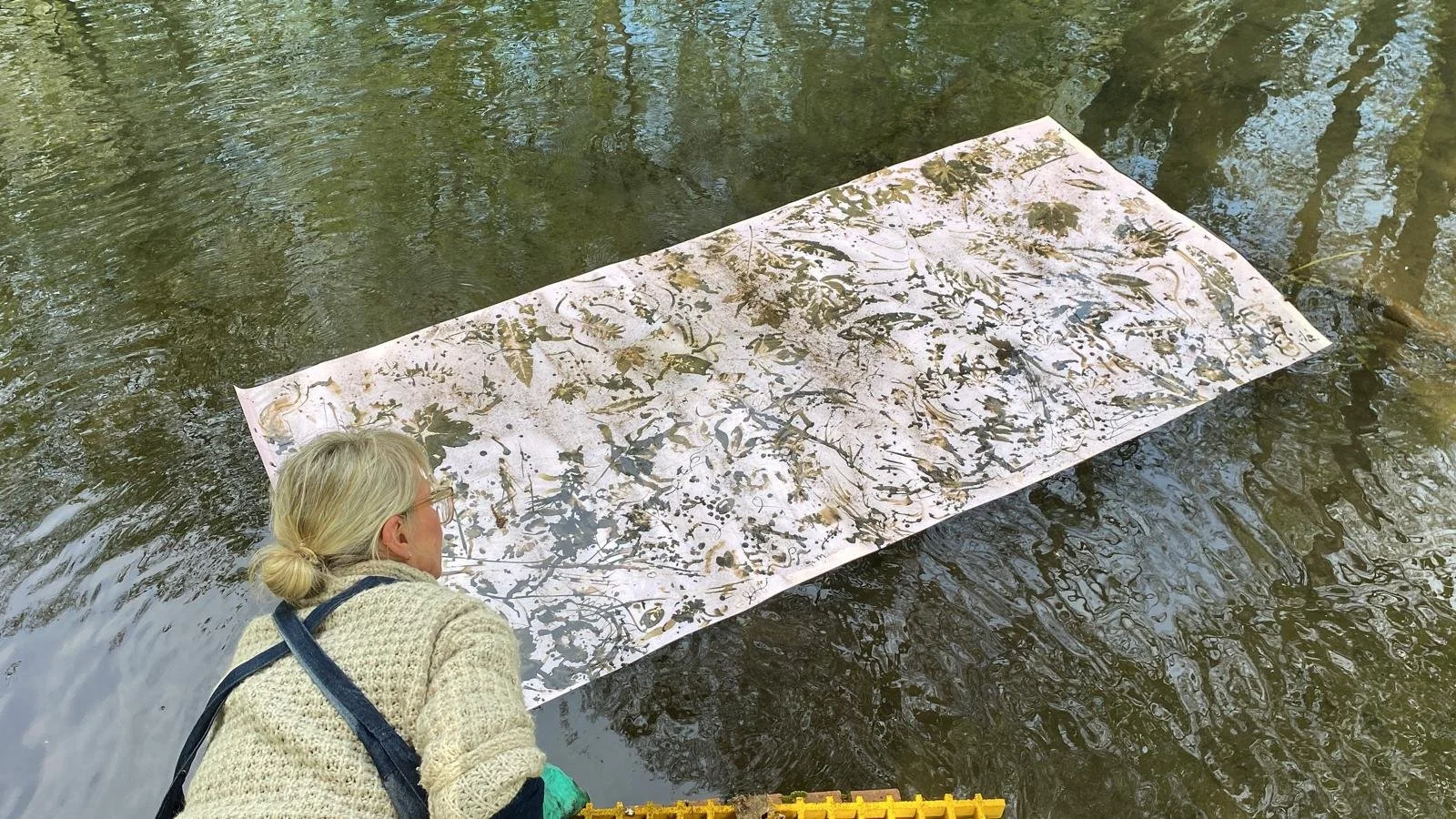
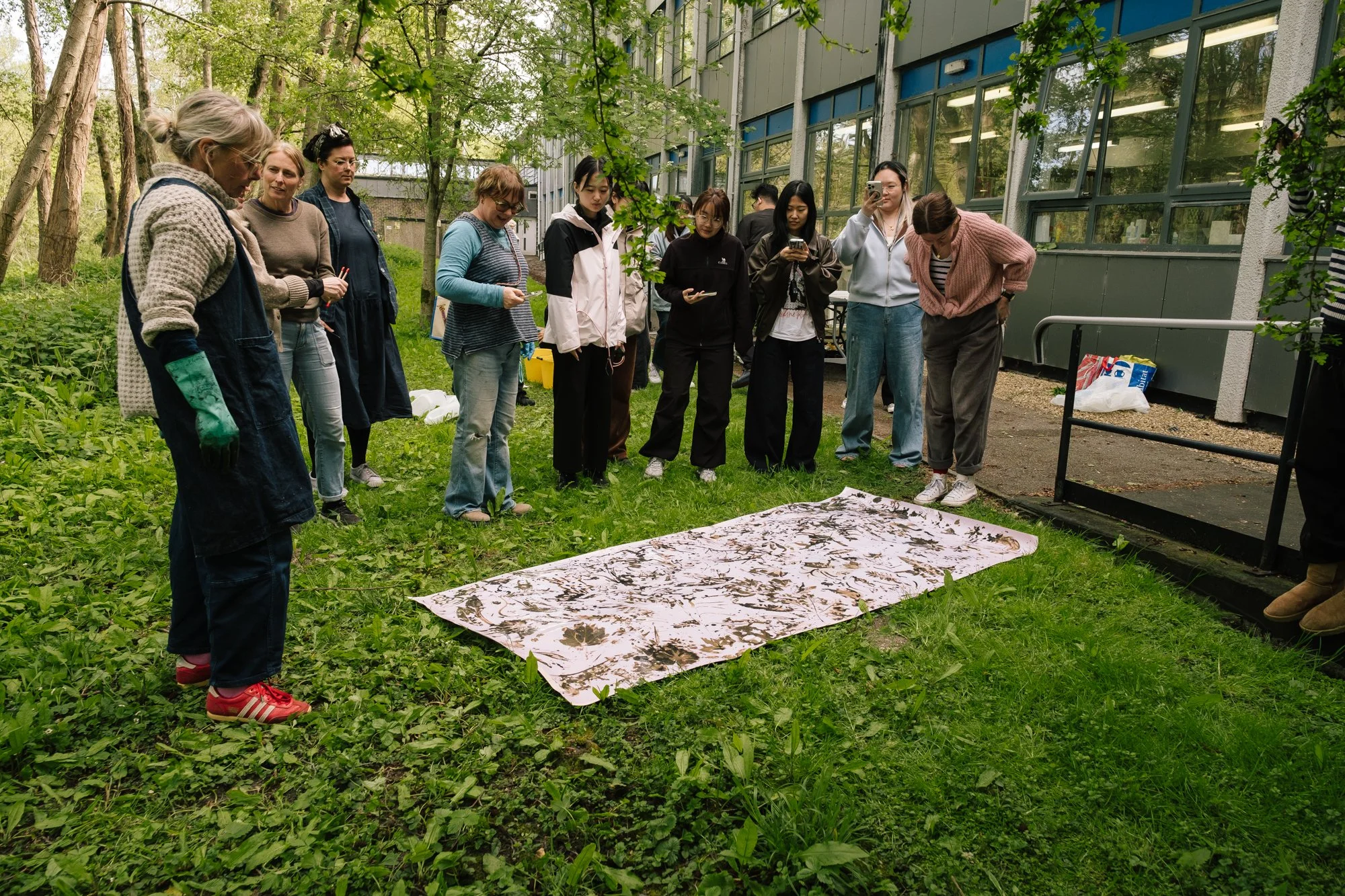
Experimental Photography Workshop (photos Simon Bray)
Recent Exhibition

Porous Light Salon
Artists’ Open House, Dulwich Festival,
28 Pymer’s Mead, West Dulwich
10, 11 & 16, 17 May 2026
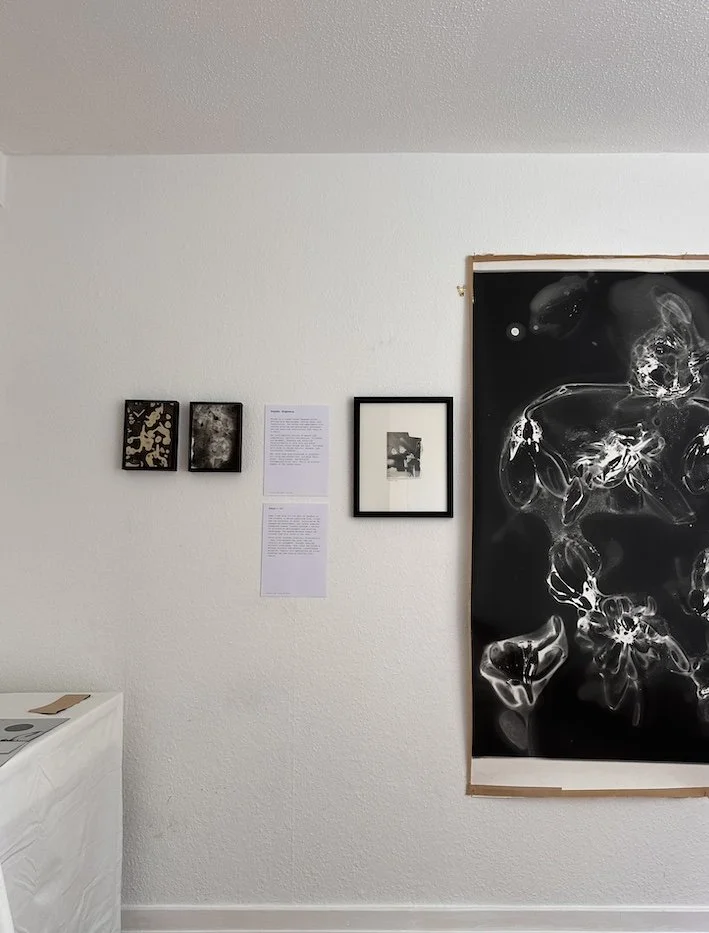
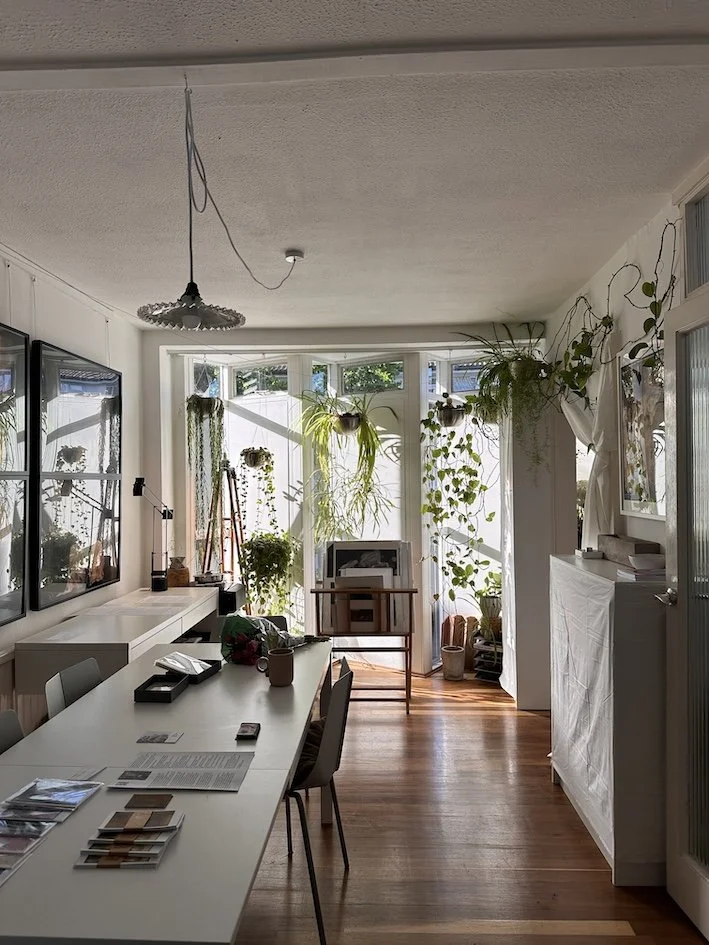
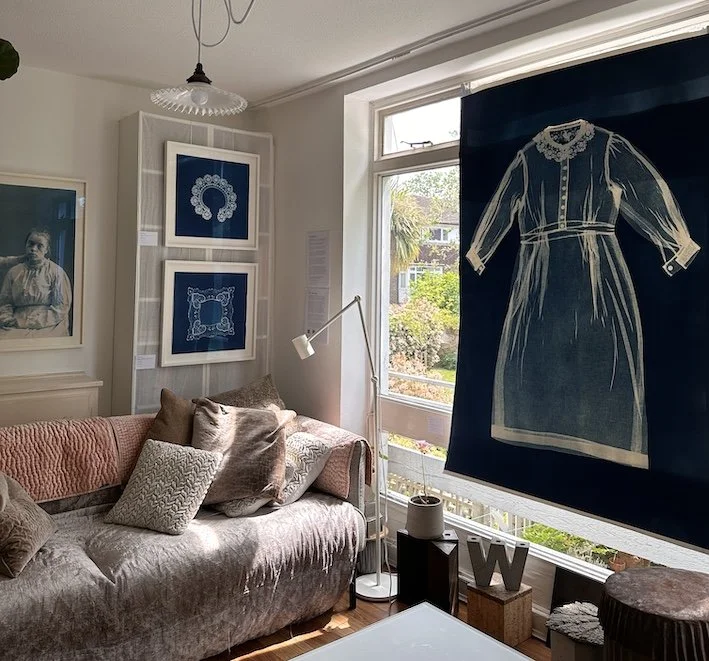
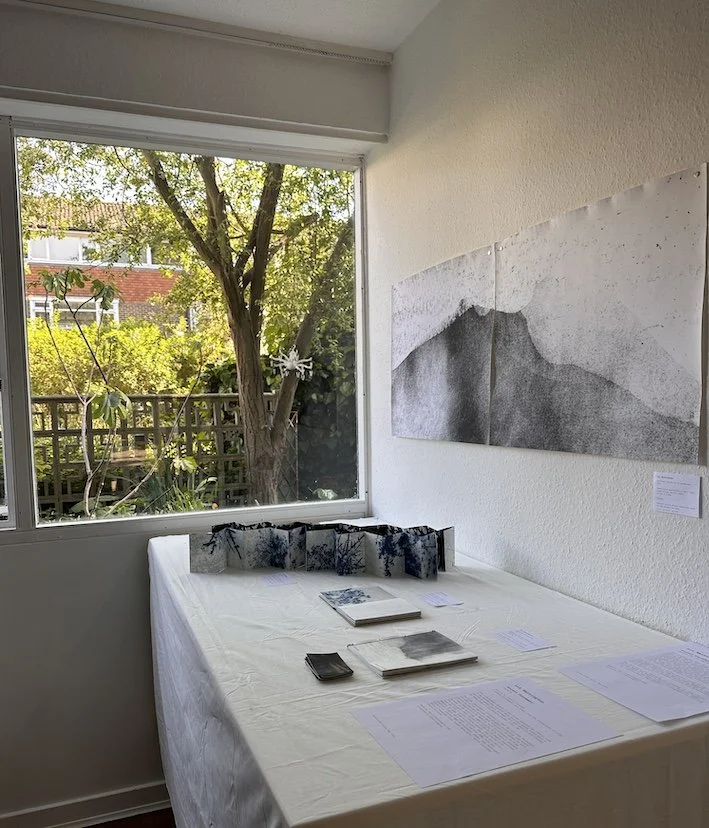
from top left clockwise:
Sayoko Sugawara, Eileen White, Wendy Hardie, Ky Lewis, Eric Fong and Liz Harrington
Recent Exhibition
‘The Endless Turn and Return’
The Arc City Space Gallery, Winchester
8 November – 14 December 2025
’The Endless Turn and Return’ 2025
Handmade botanically toned cyanotype animation.
3 minutes, 10 seconds

2,634 hand-printed and botanically toned cyanotypes, used to make ‘The Endless Turn and Return’
‘The Endless Turn and Return’ was commissioned by Hampshire Cultural Trust to complement ‘Beauty of the Earth, the Art of William, Jane and May Morris’, which ran concurrently in The Arc, Gallery Space.
In her book ‘Staying with the Trouble. Making Kin in the Chthulucene’,
Donna J. Haraway writes,
‘We become with each other or not at all.’*
Haraway’s writing is a conversation about what we stand to lose if we don’t change the way we see ourselves in relation to the wider world. Eileen’s practice, as illustrated in her handmade animation, ’The Endless Turn and Return’, expresses this sentiment, which communicates her dedication to handmade, slow, repetitive, labour-intensive, and uncalibrated processes. These are embodied acts of ‘making with’ Nature, working within a circular economy by thinking of waste as a source of renewal and adopting a less anthropocentric perspective. It is her form of political activism.
Eileen’s work unfolds slowly in relation to materials, light, and the seasons, taking days and, in the case of this film, 3 1/2 months to produce. It cannot be rushed. As such, it is the antithesis of today’s fast-paced digital culture, which promises instant gratification with little authenticity.
The film's 3-min, 10-sec duration consists of 2,634 physical cyanotype prints, a low-toxic, historical process discovered by Sir John Hershel in 1842. It involves hand-coating paper with light-sensitive ferrous-based salts, which are then exposed to sunlight before being developed in water. The result is a Prussian blue print. Eileen went on to tone each print using botanicals from her garden and Crab Wood, which gives the film an organic, constantly shifting colour-scape, embedding the ecology of the site into the work.
Boris Allenou, a Sound Artist, created the soundtrack accompanying the film by capturing the electrical activity of plants, which complements and acknowledges the role that vegetal life plays in Eileen’s practice.
The other works in the exhibition were made in response to two sites. The first was a residency Eileen undertook at ’The Chelsea Physic Garden’ in London. This small, densely planted public garden was set up in 1673 by apothecaries as a place of healing and education. It still plays an important role in medical research. Eileen’s botanical journey through deep time, both historically, scientifically and seasonally, unearthed the entangled and fragile relationships that exist between humans and non-humans as well as the connection to horticultural, medicinal and human history.
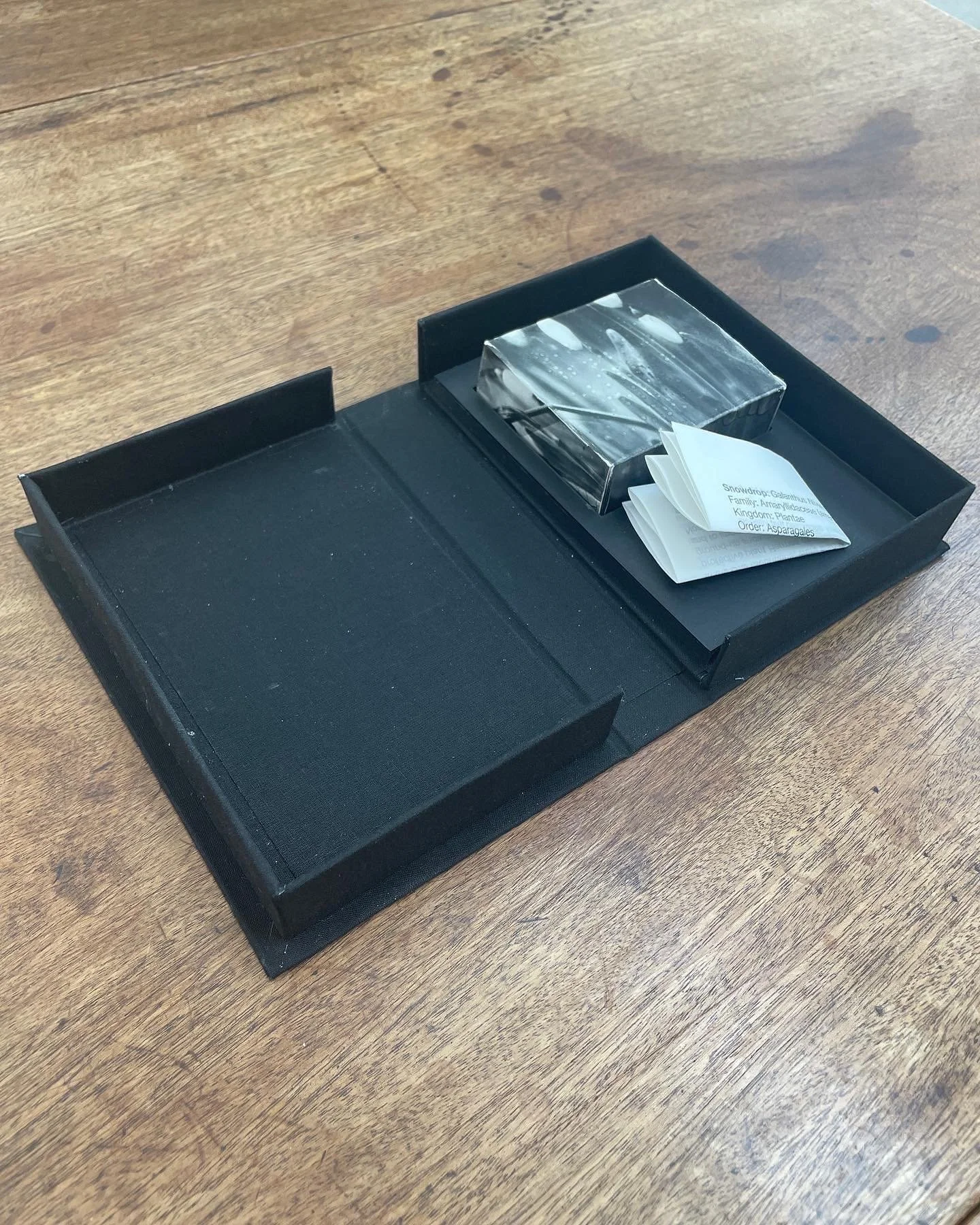
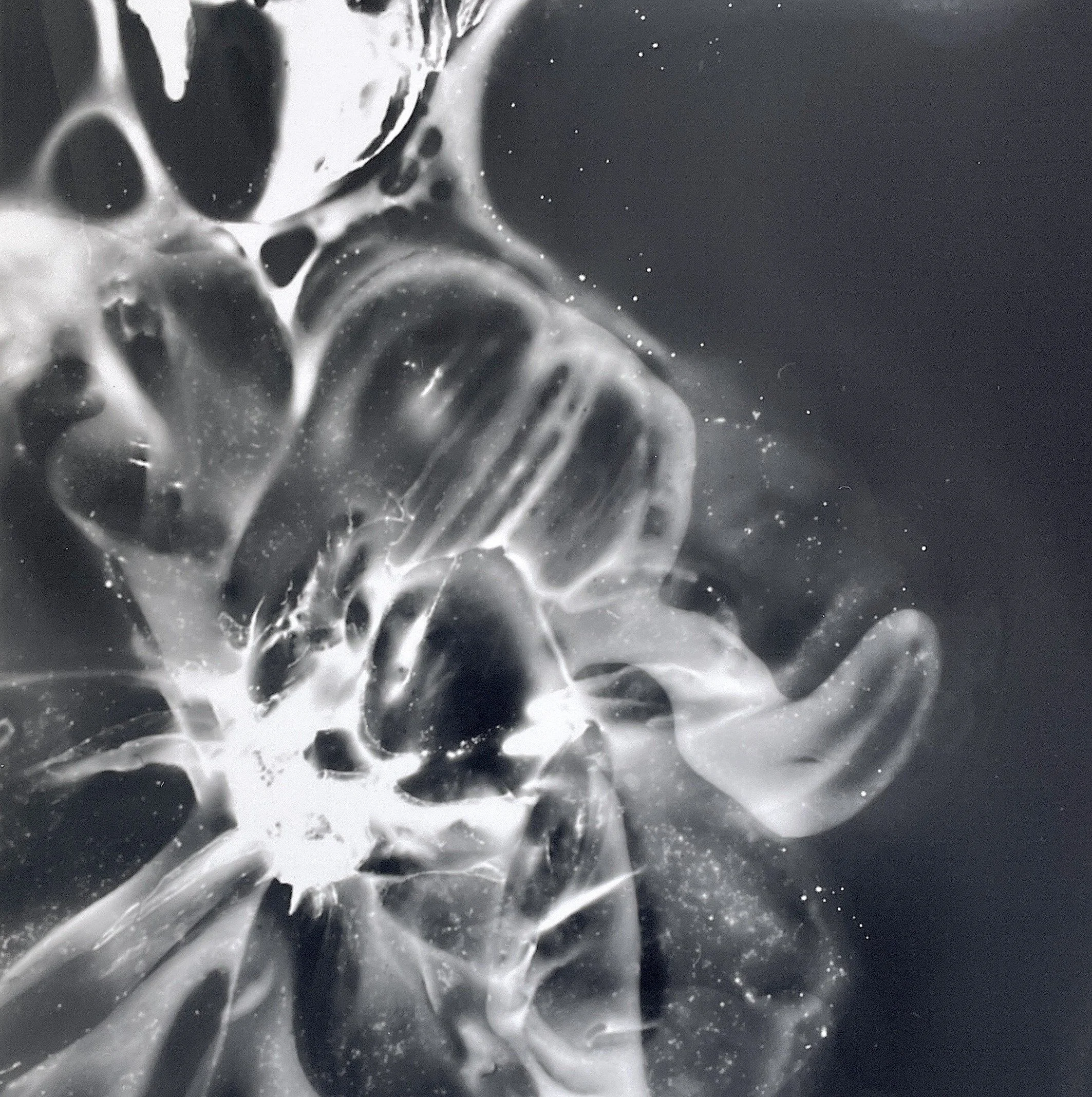
The resulting black and white silver gelatin prints and artist's book examine areas behind the scenes, where propagation, or SEM vegetal scans, as well as the rich and varied history of the garden’s snowdrops, are on display.
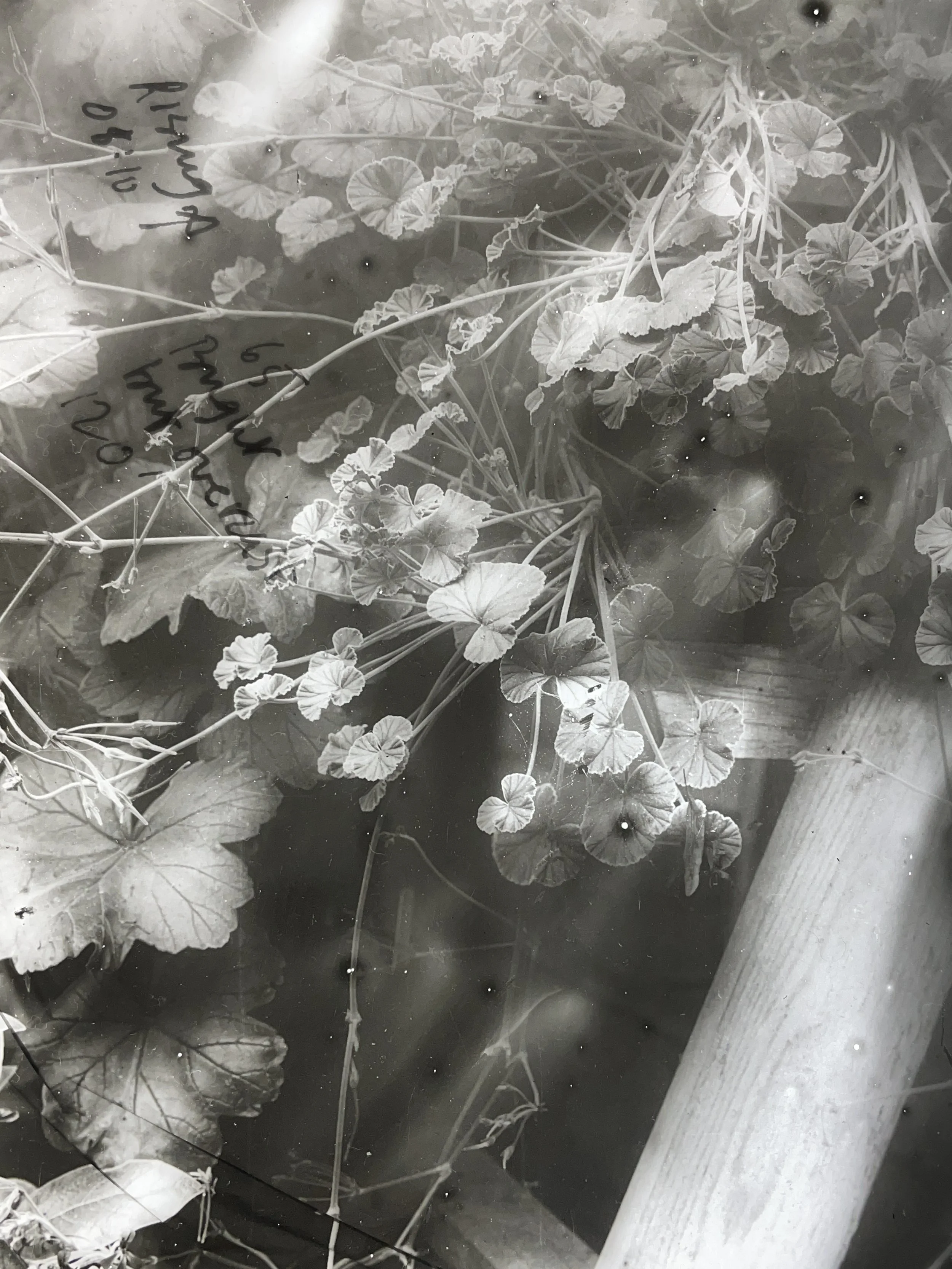
The second site is the garden and surrounding cemetery, now nature reserve, of ‘The Gatehouse Studios’, where she has her darkroom. This wild and beautiful place provides a constantly changing tapestry of seasonal plant life. Using the cyanotype process, she has produced two large stitched fabric pieces that reflect the ‘Vanitas’ tradition of 17th-century Dutch still-life painting. This style of work was a visual representation of philosophical ideas about the nature of life, referencing the transience and impermanence of earthly existence. The word ‘Vanitas’ derives from the Hebrew ‘Hebel’, which translates literally as ‘breath’. Created at a time of great social uncertainty and anxiety, they seem a fitting reference in our current climate.
*Donna J. Haraway, Staying with the Trouble: Making Kin in the Chthulucene (Durham: Duke University Press, 2016), p. 4
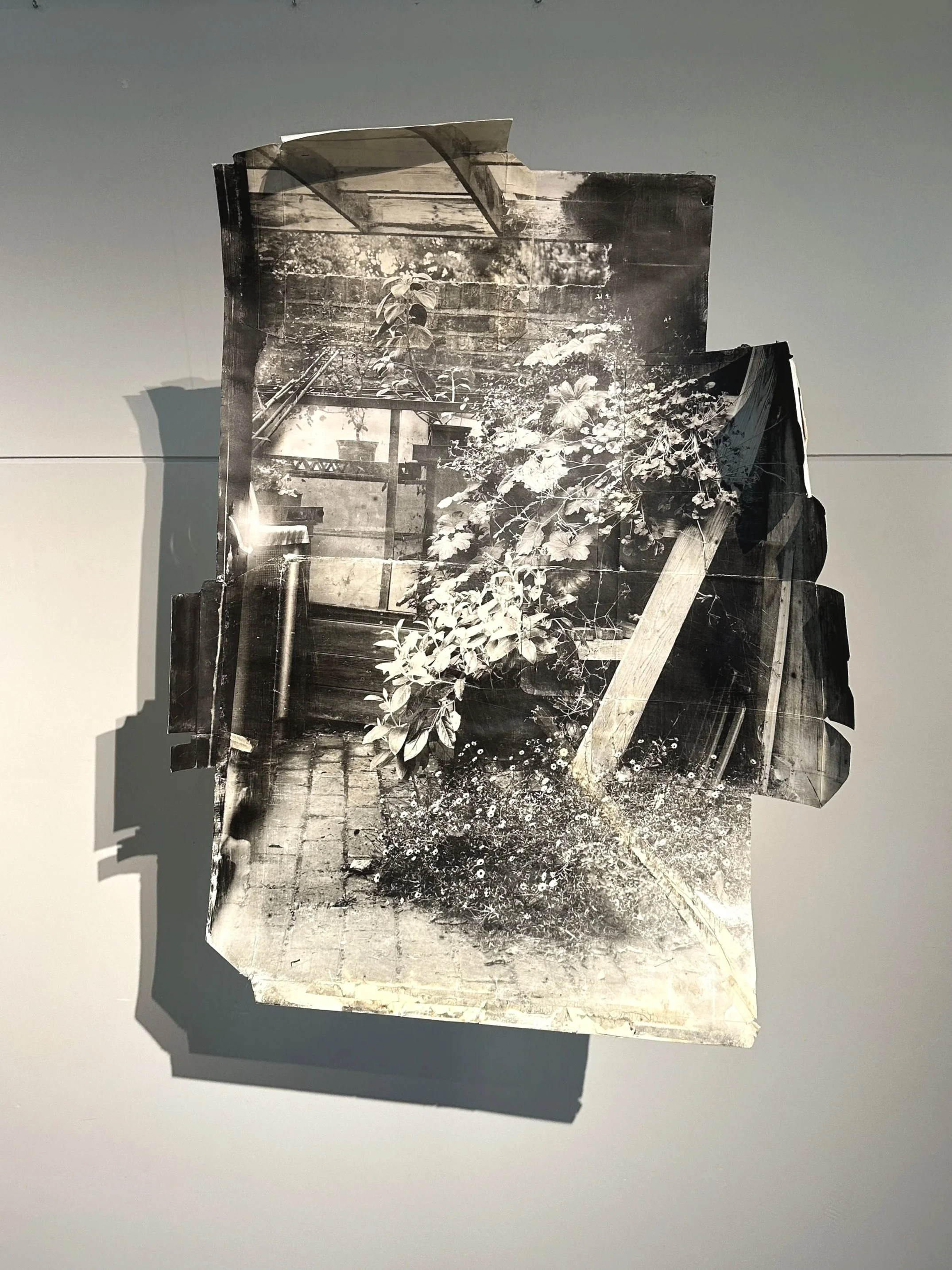
'Transmutation' 2023 Collaged Silver Gelatin Prints, plant developer, waste packaging. 120 x 94 cm Image: Seamus Flannigan
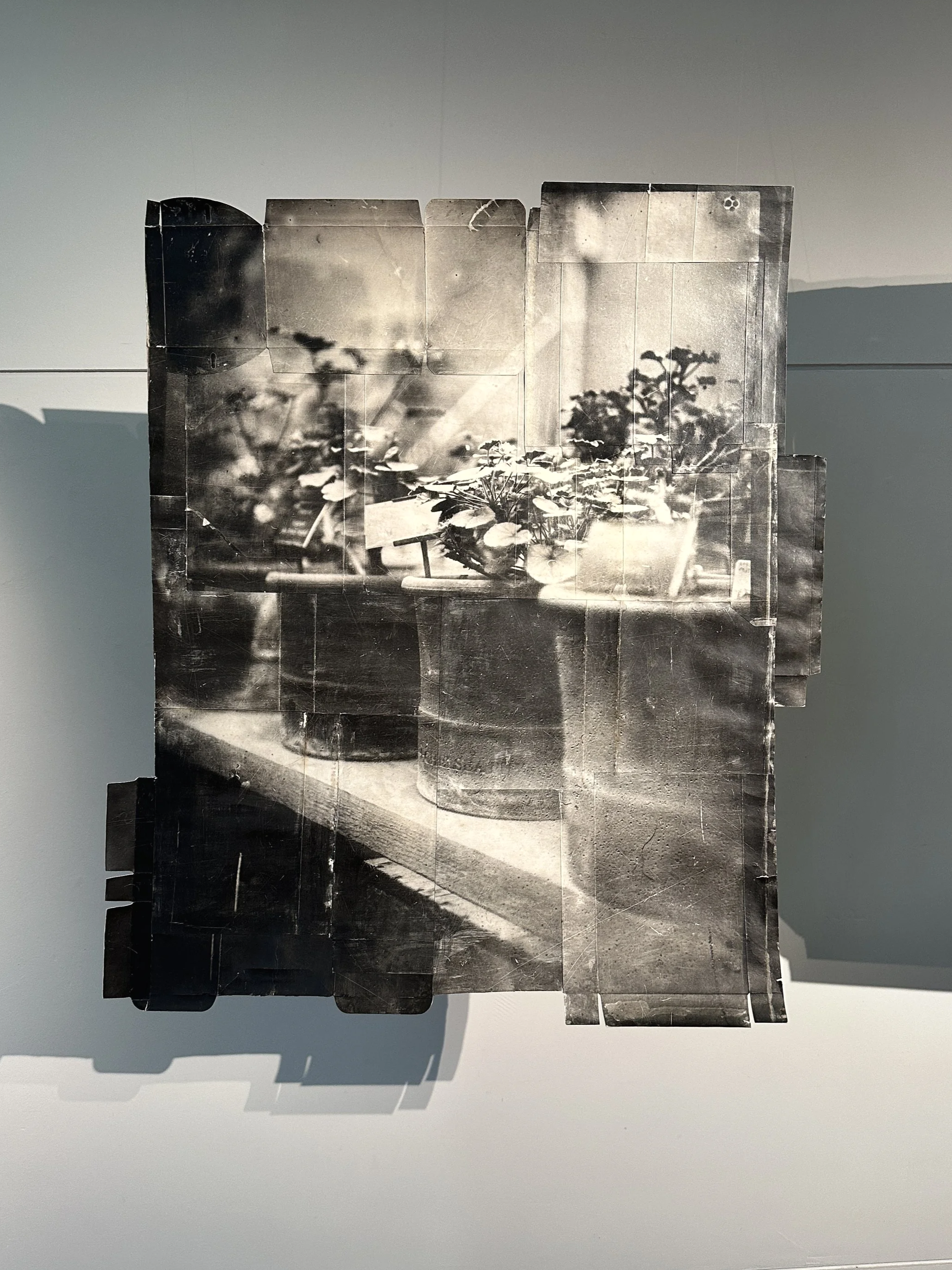
'Propagation' 2023. Collaged Silver Gelatin Prints, plant developer, waste packaging. 116 x 98 cm Image: Seamus Flannigan
‘Entanglements’ 2023
hand-made clam-shell box, containing paracetamol packet with a photographic image of snowdrops. and text. 15 x 10 x 2.5 cm
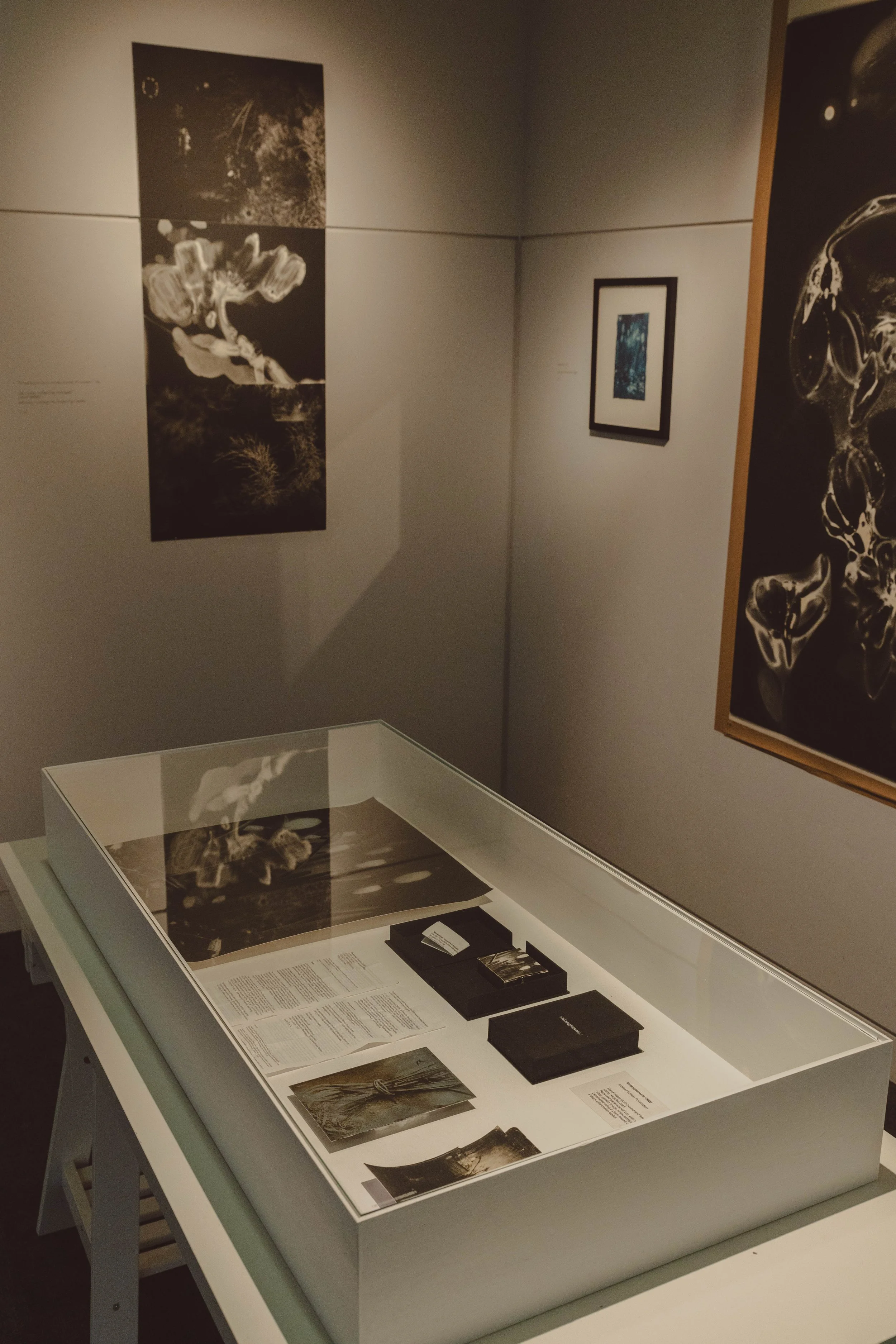
Vitrine containing:’ Entanglements’ book, text and a variety of silver gelatin prints.
Wall pieces:
’The extent to which the us and the it slip-slide into each other’
Collaged Silver Gelatin Print. 65 x 125 cm.
'Sympoiesis'
' Silver Gelatin Print, expired paper, plant developer.
127 × 165 cm
Photo: Seamus Flannigan
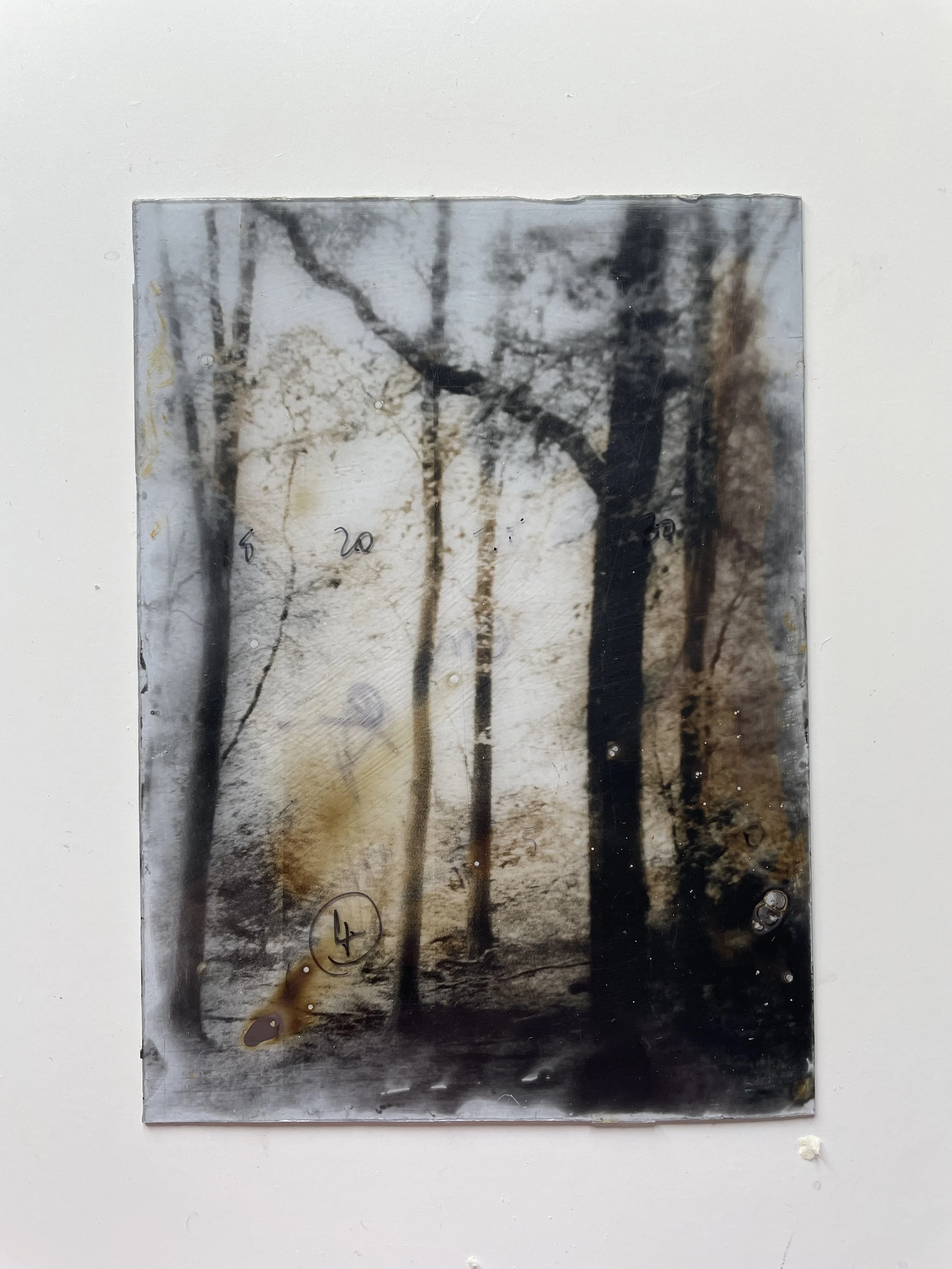
‘Crab Wood 1 & 2’ 2024
33 × 43.5 × 4 cm
Hand-coated recycled glass plates, plant- based developer,
wall-mounted light boxes made from recycled frames


'Vanitas 1 & 2' with vitrine containing glass portraits. Photo: Seamus Flannigan
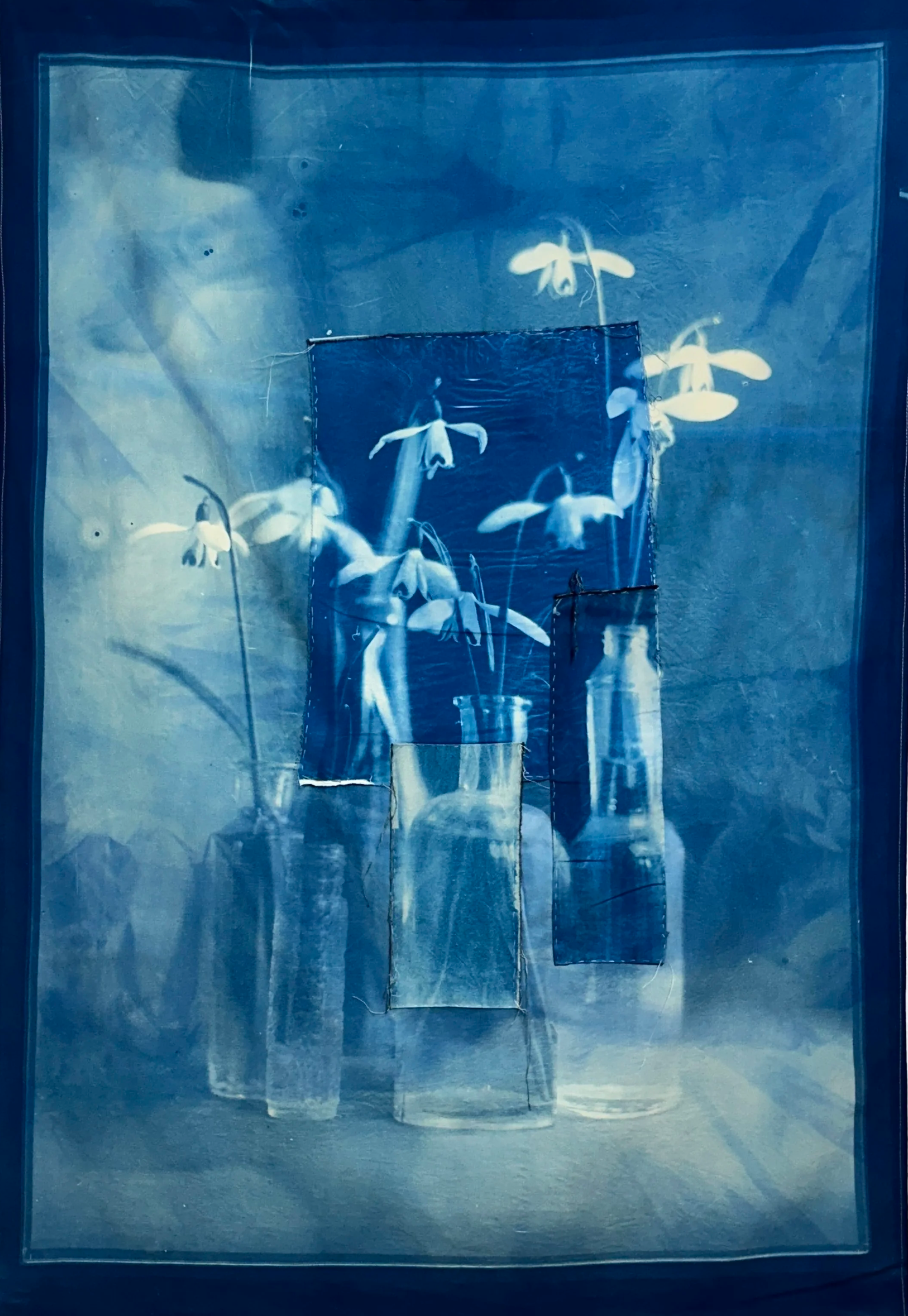
"Vanitas 1' 94 x 136 cm
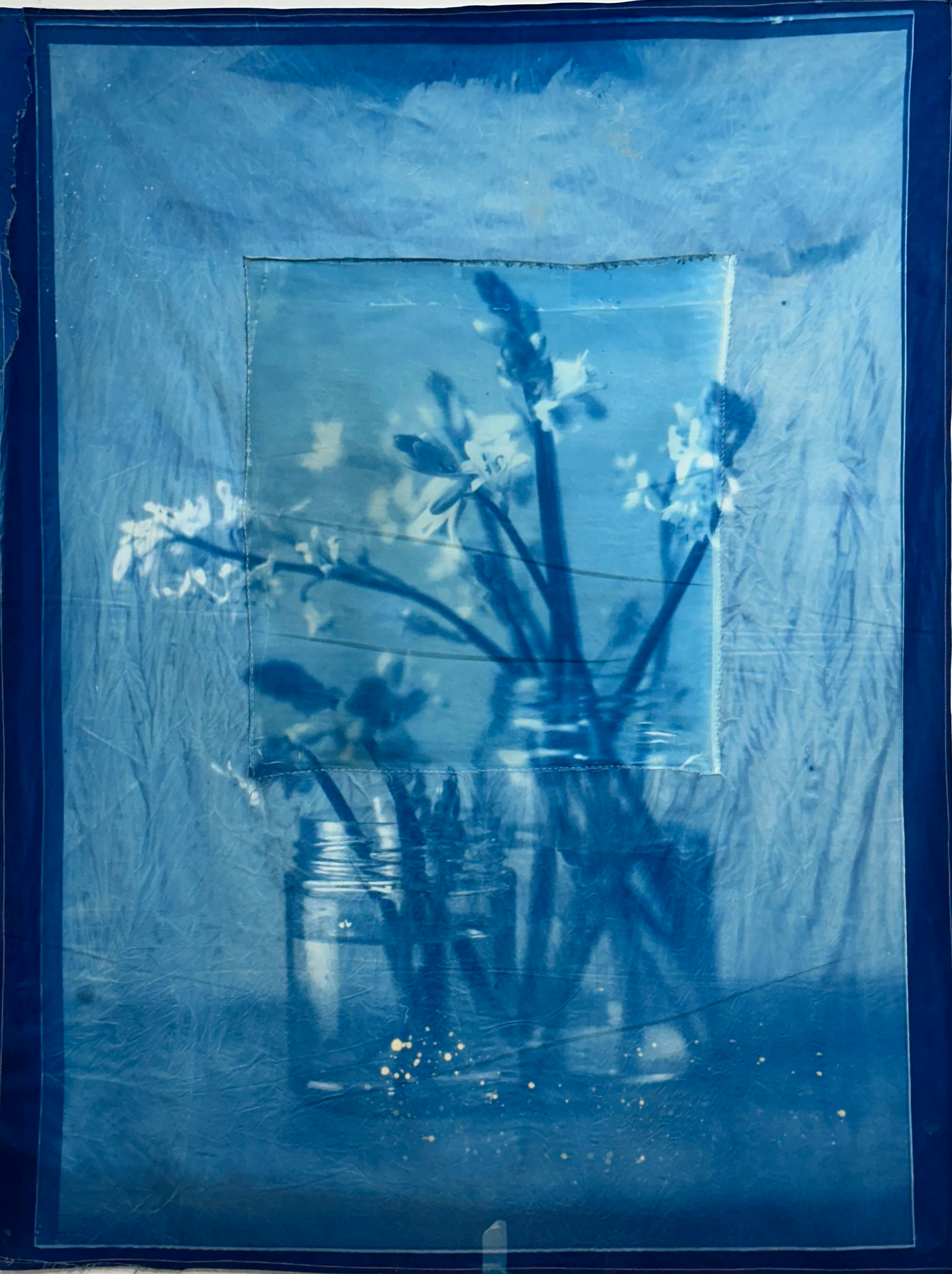
'Vanitas 2' 94 x 124 cm
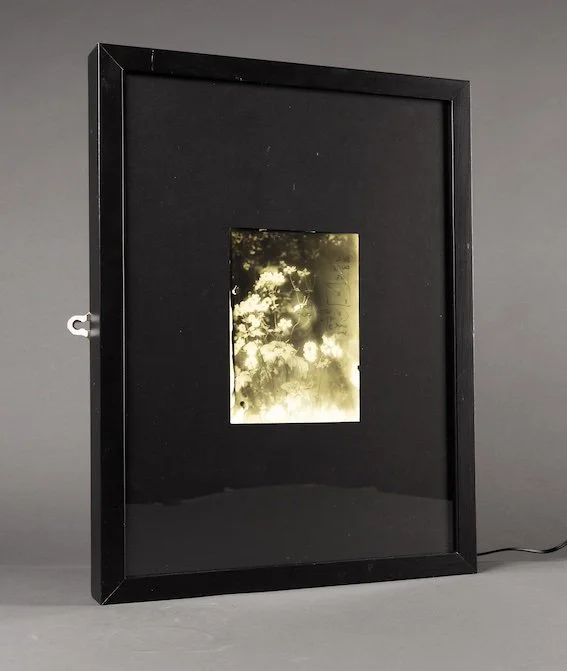
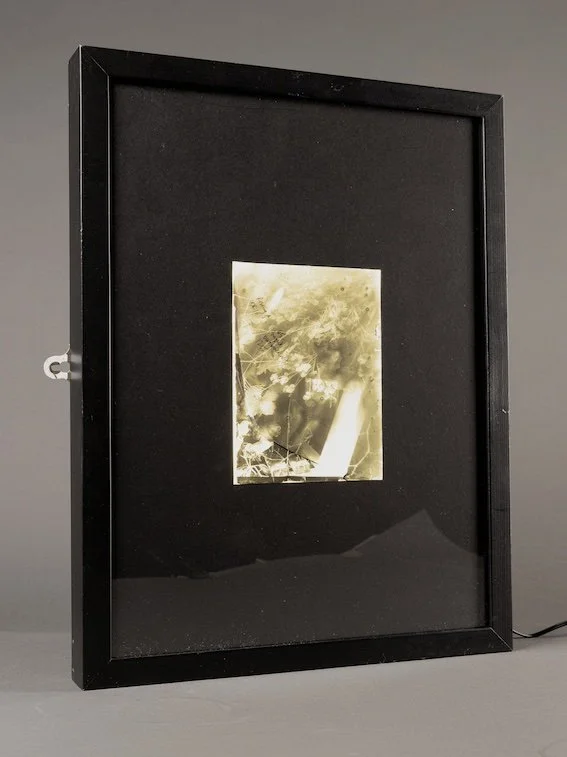
‘Vista 1 & 2’ 2024
33 × 43.5 × 4 cm
Hand-coated recycled glass plates, plant- based developer, wall-mounted light boxes made from recycled frames
Recent Exhibiton
‘The Royal West of England Academy, 172 Annual Open’
5 September 2025 - 4 January 2026
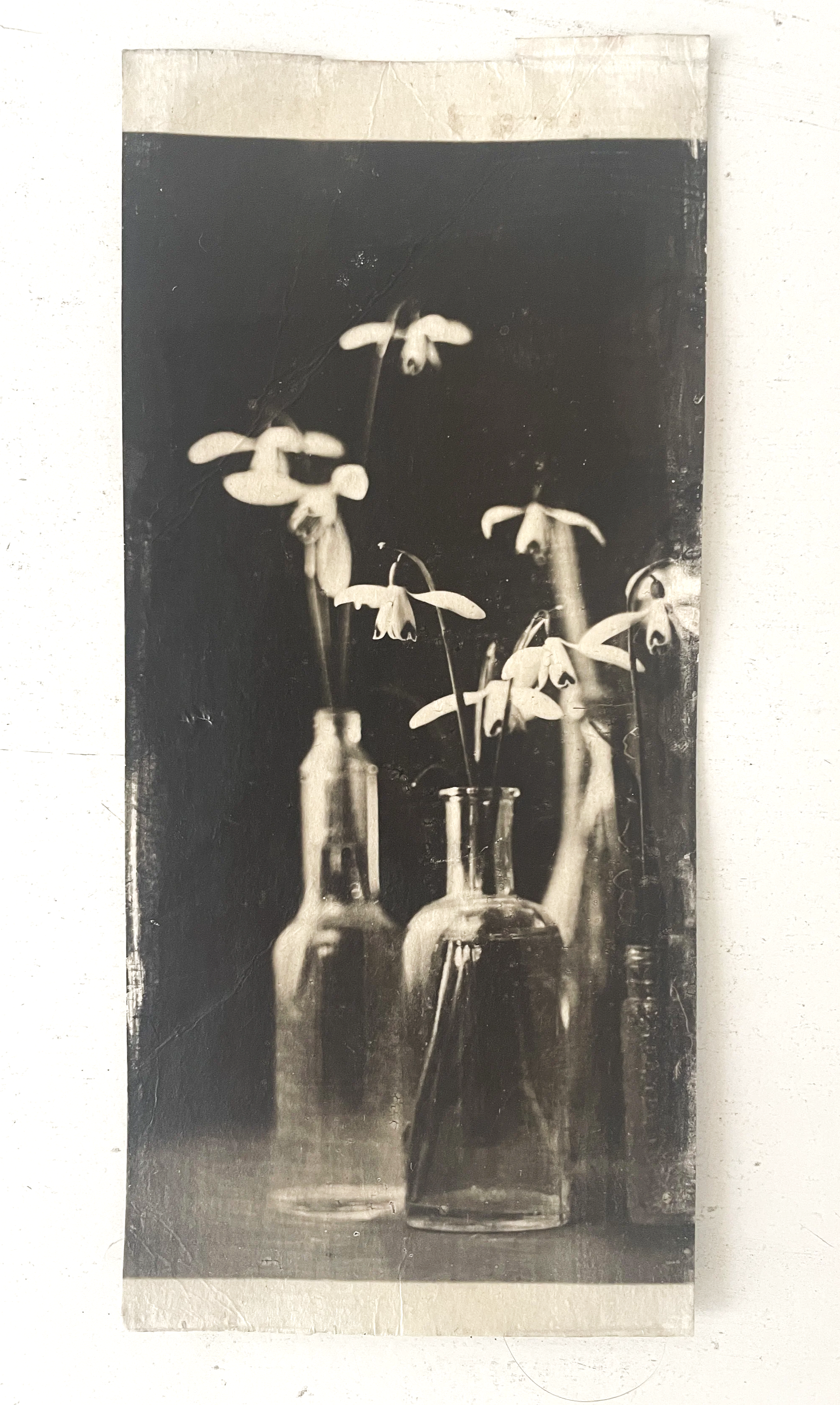
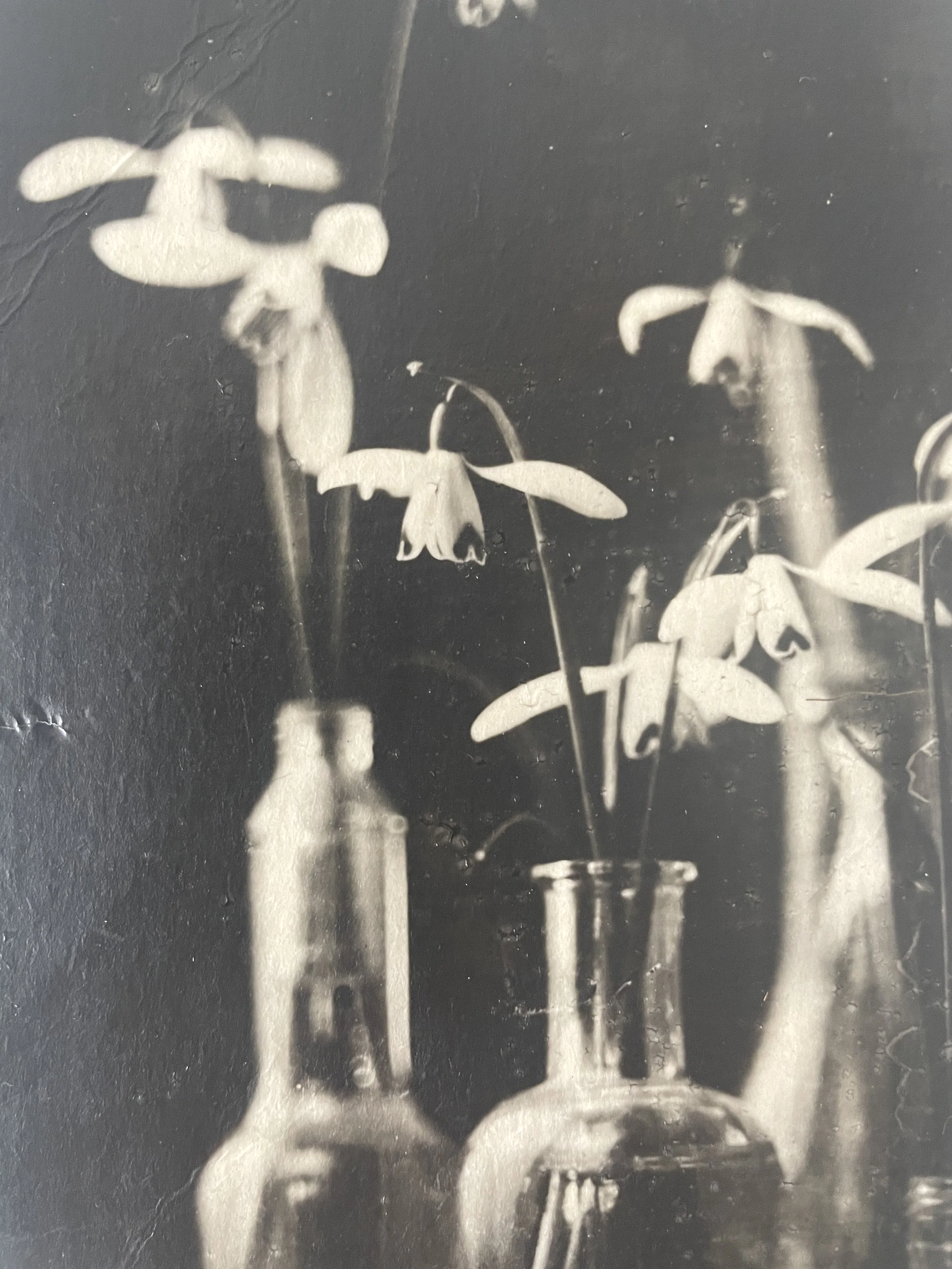
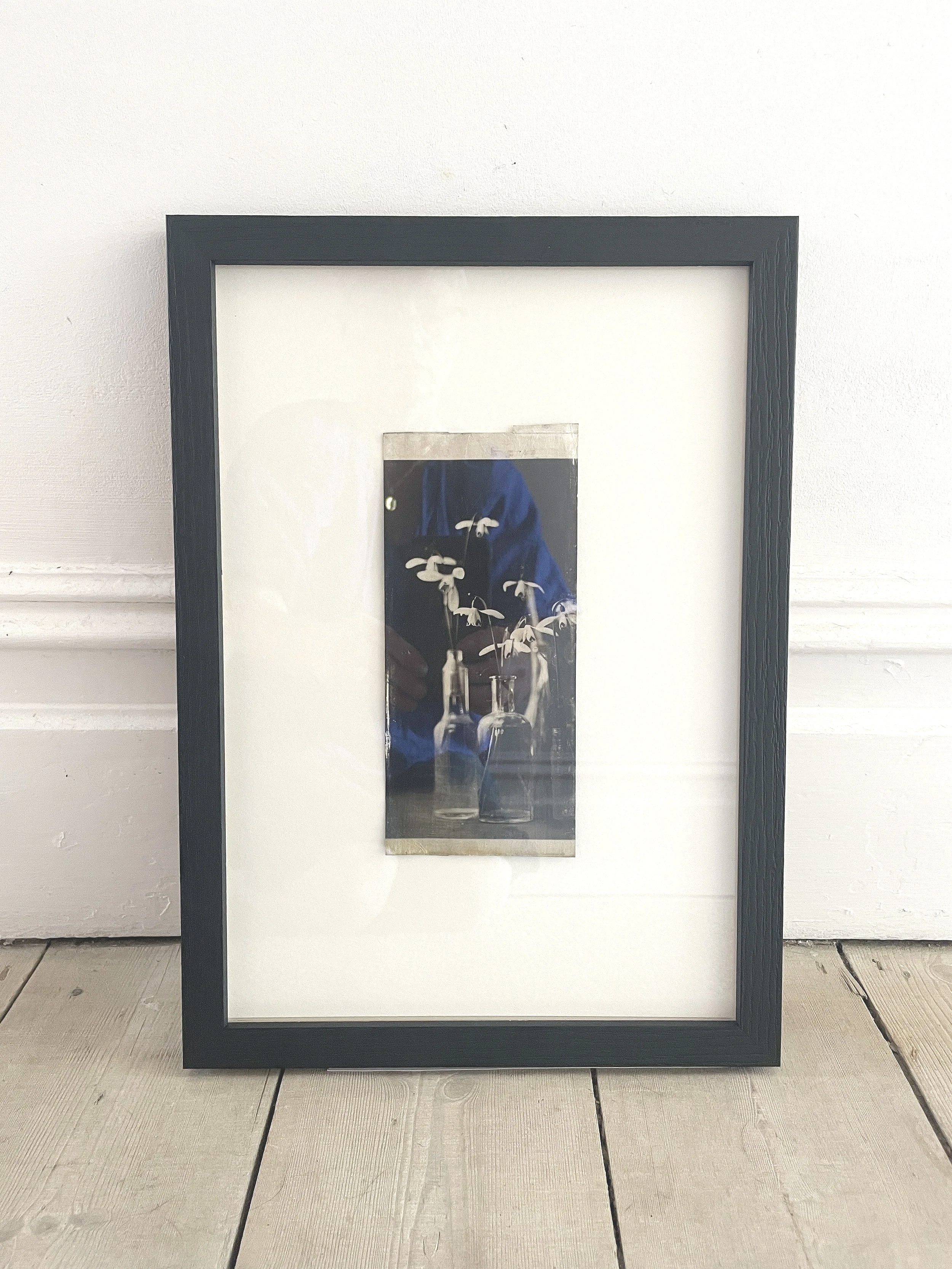
‘Vanitas 1’ was selected for the recent RWA Annual Exhibition. This respected platform, which includes past artists such as Vanessa Bell, David Hockney, Peter Blake, Mary Fedden, and Sir Frank Bowling, is one of the UK’s most prestigious open-submission exhibitions. Now in its 172nd year, the event provides a platform for emerging and established artists to exhibit and sell their work in the RWA’s stunning Grade II*-listed galleries.
‘Vanitas 1’
Framed 32 x 24 x 4 cm | Silver gelatin print, recycled packaging, plant-based developer
Recent Exhibiton
‘A Post Industrial Picturesque’
The Brampton Museum, Newcastle under Lyme
28 June - 9 September 2025
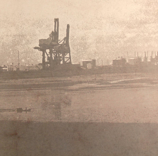
Traces of lost places due to natural weathering, climate change, social history or economics are all to be found on the North East coastline, where the sea meets land and ‘The Black Path’ threads its way through the marshes and the huge industrial landscape.
This path is an ancient route and has been many things: the northern boundary of an Anglian Kingdom, a medieval sailor’s trod, and a convenient path to work for the steelworkers of Middlesbrough. It is a witness to the erosion of the industrial heritage that has been accelerating since the closure of the last blast furnaces in 2010.
The work shown at ‘A Post Industrial Picturesque’ relates to this constantly changing face of England’s northeast coastline. Different historical times are captured in the eroding or partially dismantled remnants that appear or disappear depending on the tides and weather. 'Wreckage of the 19th ship' shows the archaeological remnants of a vessel from a time when many ships were lost entering the river before the two breakwaters were built. 'Powder Wharf' remains teetering and alludes to a period when this site was used by either the Royal Navy for the unloading of explosive ordnance during the First World War or when mine-laying submarines were based in the river. In all the images, the industrial capacity to manufacture steel can be seen. 'Bran Sands, South Gare' captures the distant cranes, which were once used for this purpose
Each of these prints is unique, being made using ancient light as well as many sustainable, slow and low-tech elements as possible. Each print was developed using a variety of chemistries sourced from the site, which gives each one its distinct tonal qualities. They bear the marks of the making as well as the terroir.
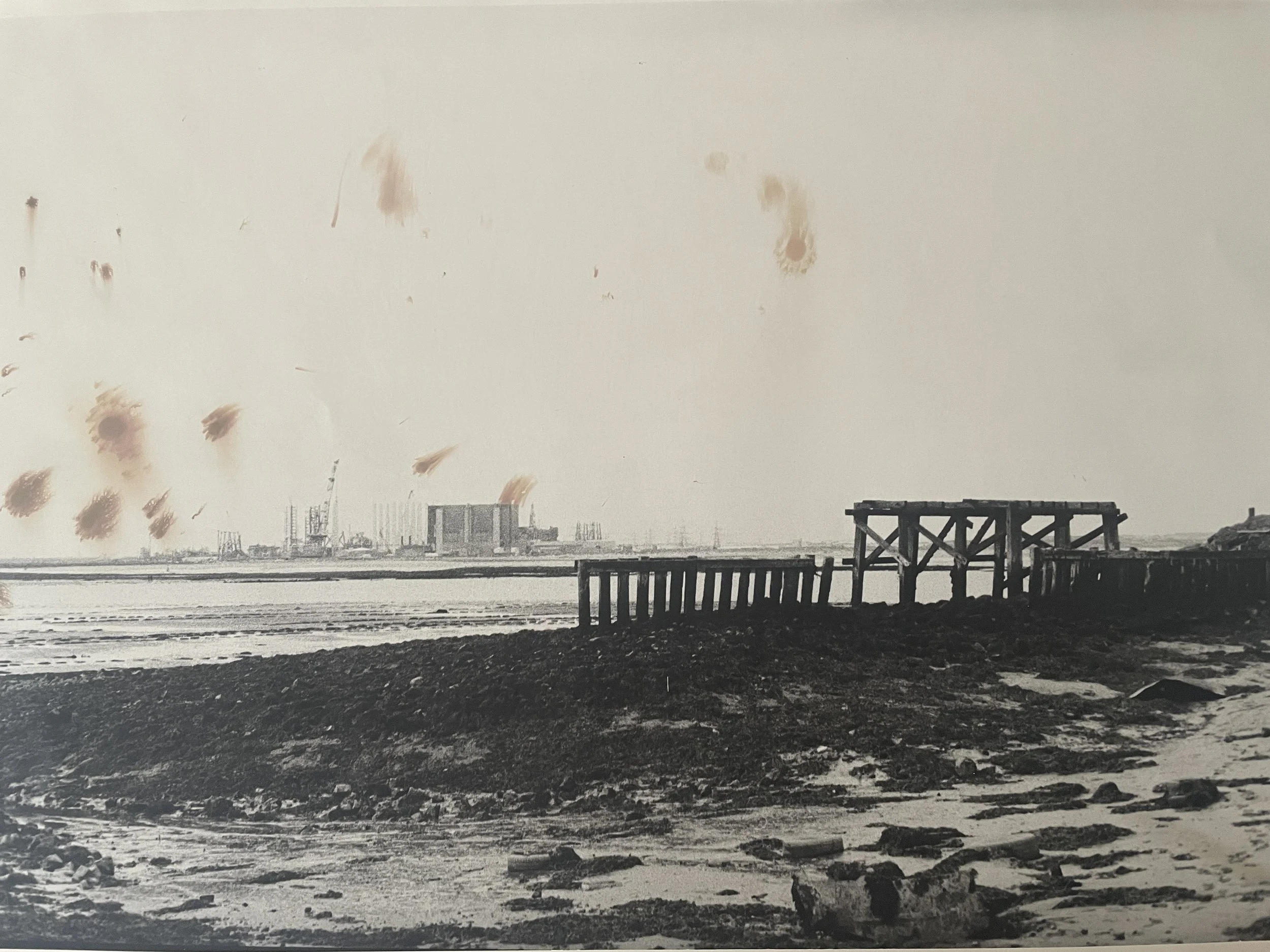
’Powder Wharf, South Gare’ 2021
61 x 45 cms | Pinhole photograph on expired photographic paper and plant-based developer.
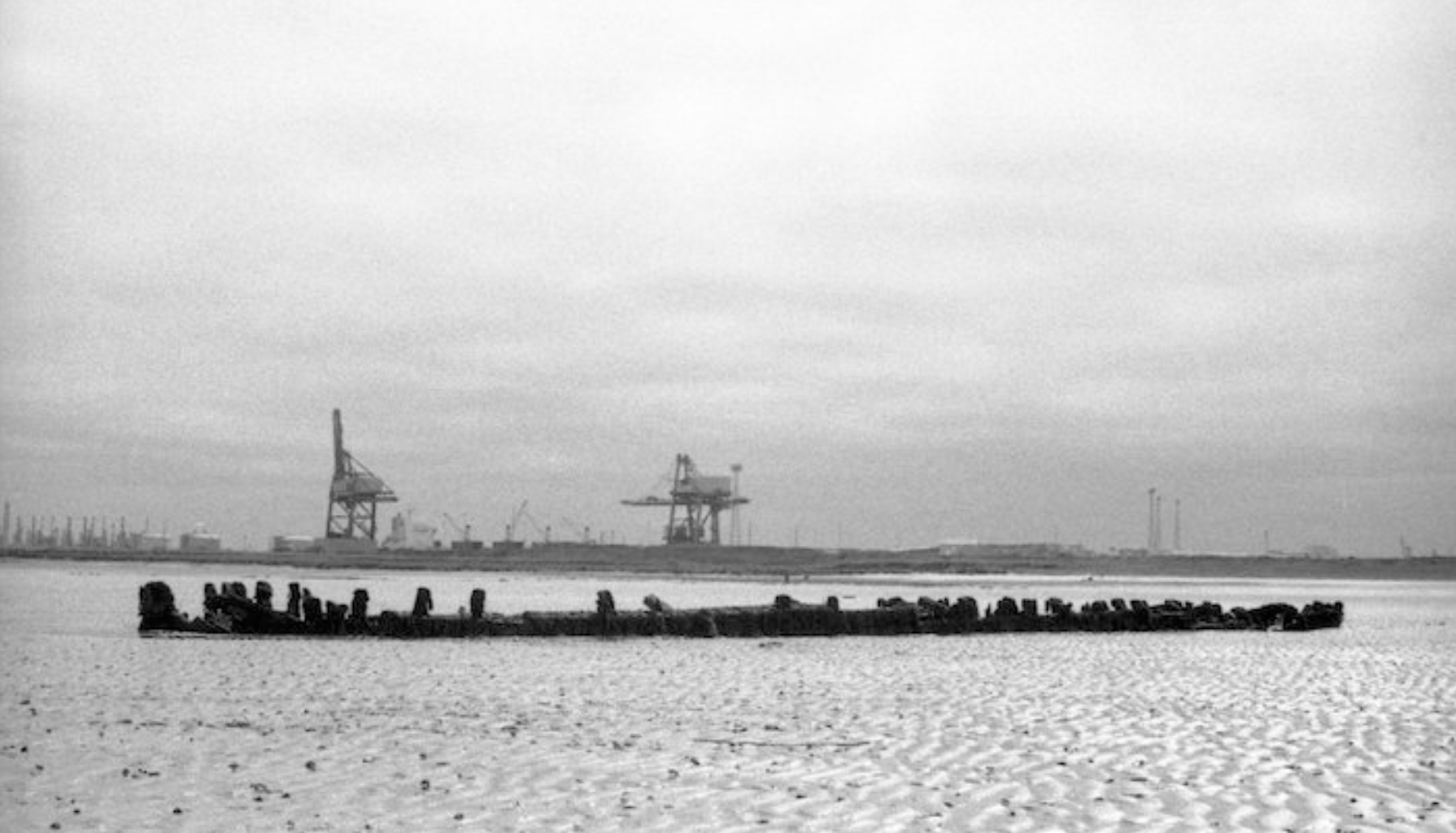
’Wreckage of the 19th ship, Bran Sands, South Gare’ 2021
61 x 45 cms
Pinhole photograph on expired photographic paper and plant-based developer.
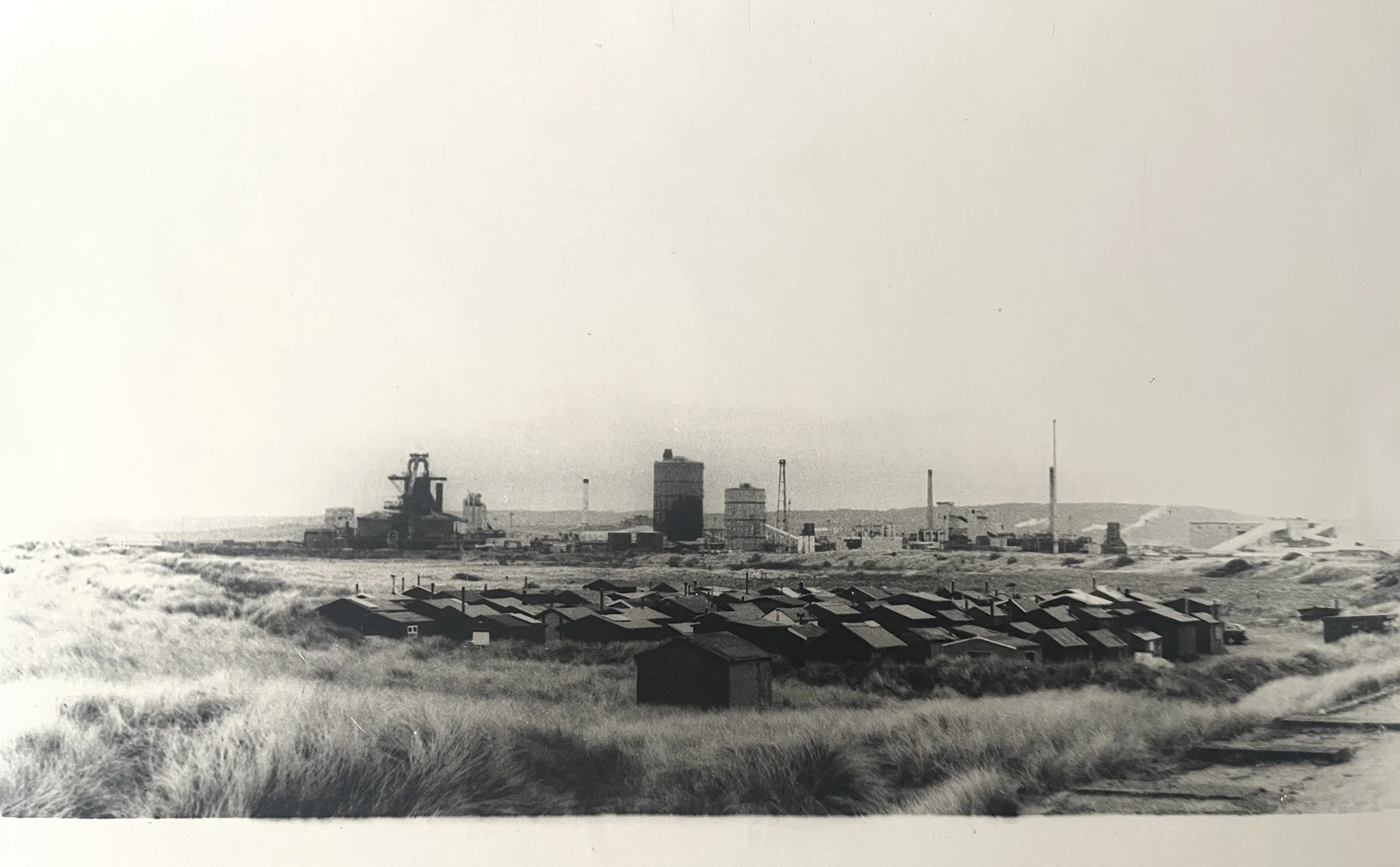
’Fisherman’s Huts, South Gare’ 2021
25 x 40 cms | Pinhole photograph on expired photographic paper and plant-based developer.
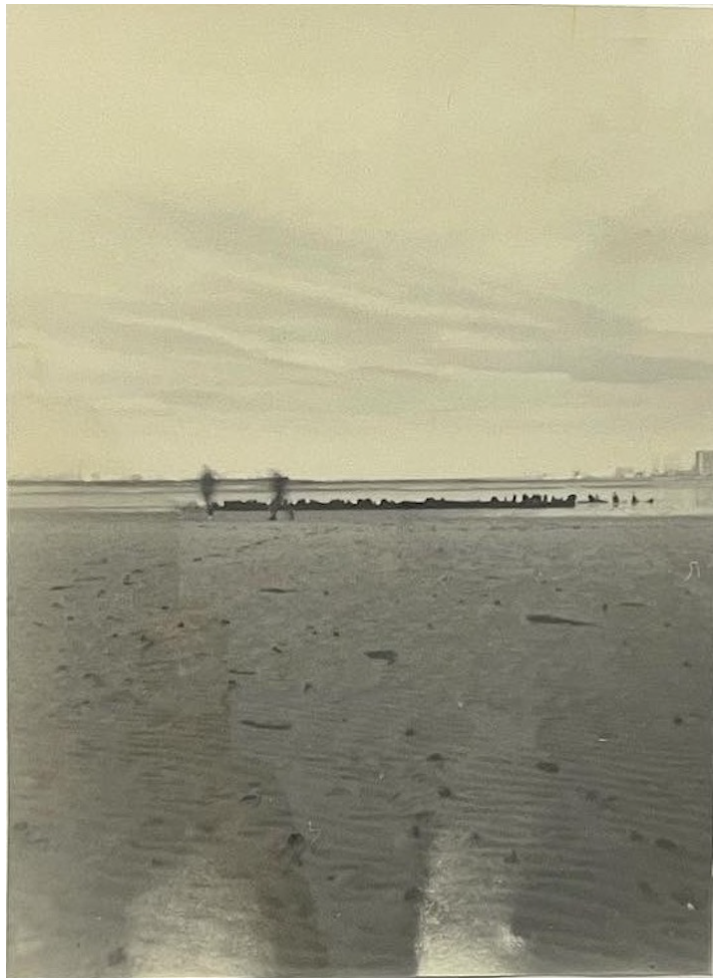
‘Wreckage of the 19th ship, Bran Sands, South Gare and Walkers’ 2021
28 x 38 cms
Pinhole photograph on expired photographic paper and plant-based developer.
‘Gallery at Home’
Abergavenny
21 June - 1 August 2025
‘Foxglove’ is a unique photograph, using a hand-coated recycled glass slide and antique field camera. The paper print was developed onto consumer waste packaging using homemade compost chemistry and exhibited as part of the ‘Gallery at Home’ summer show.
‘Foxglove’ 2025
10.5 x 19.5 (Framed 28 x 38.5 cm) | Silver gelatin print, recycled packaging, plant-based developer
Recent Exhibition
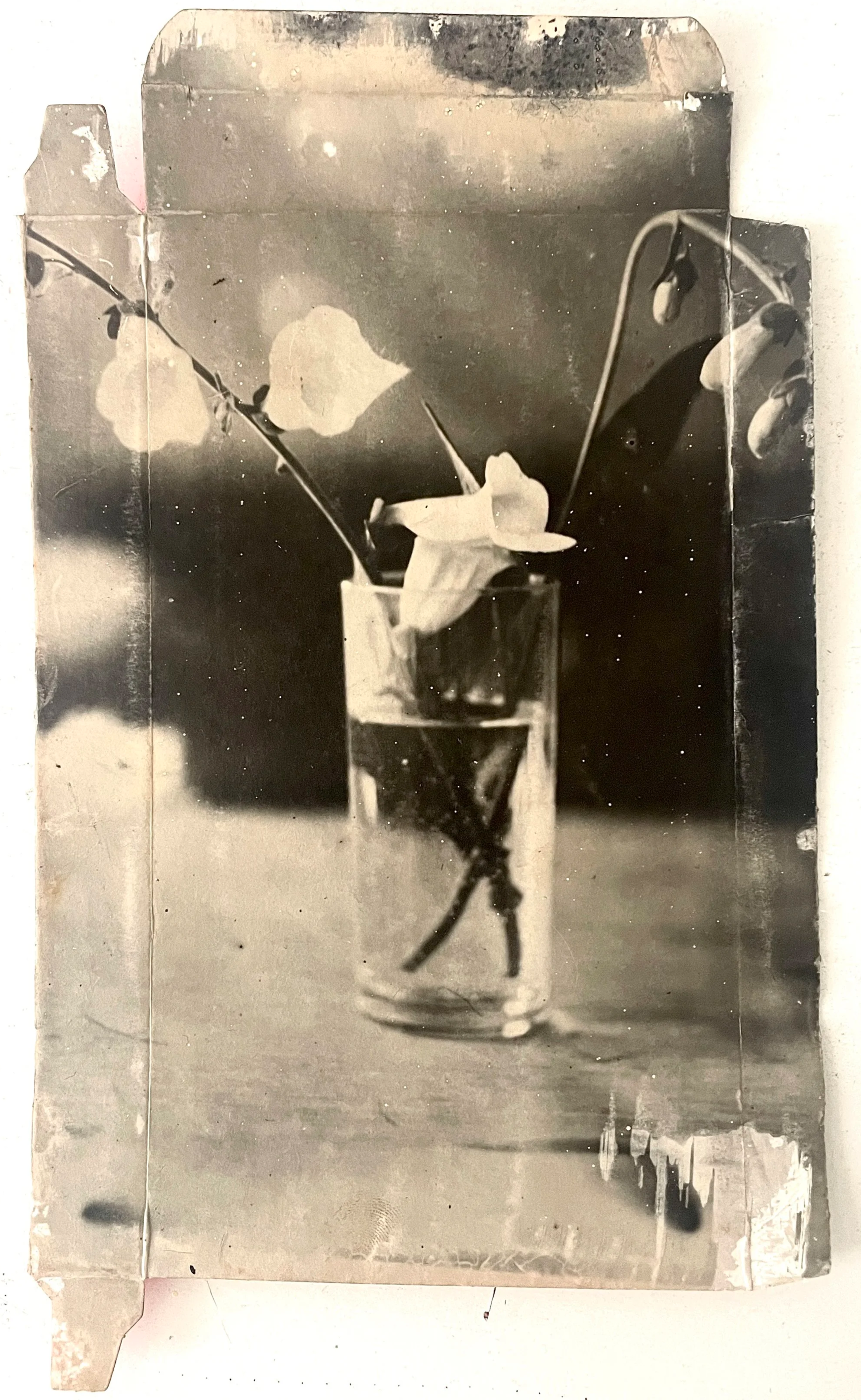
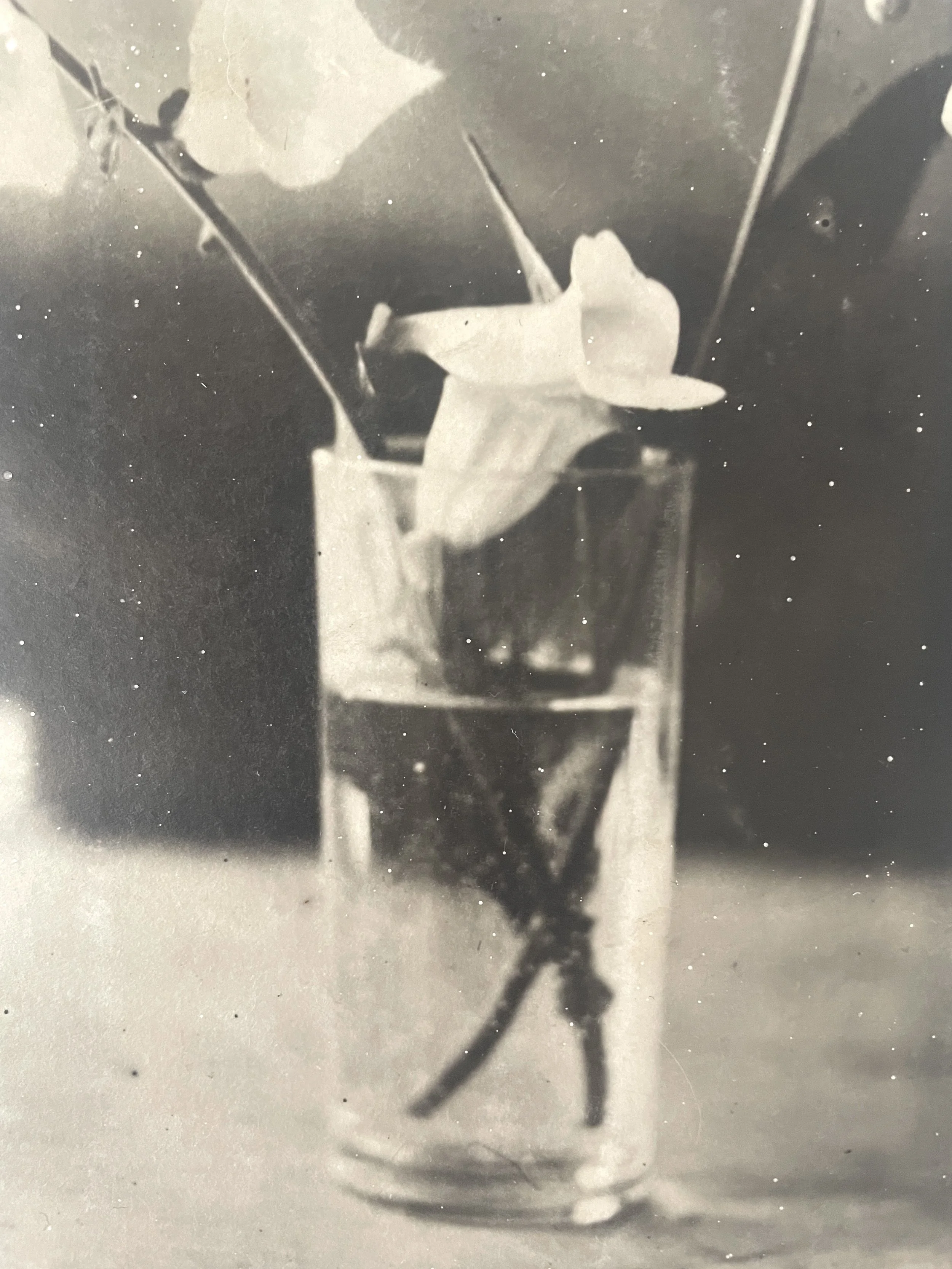
Publications
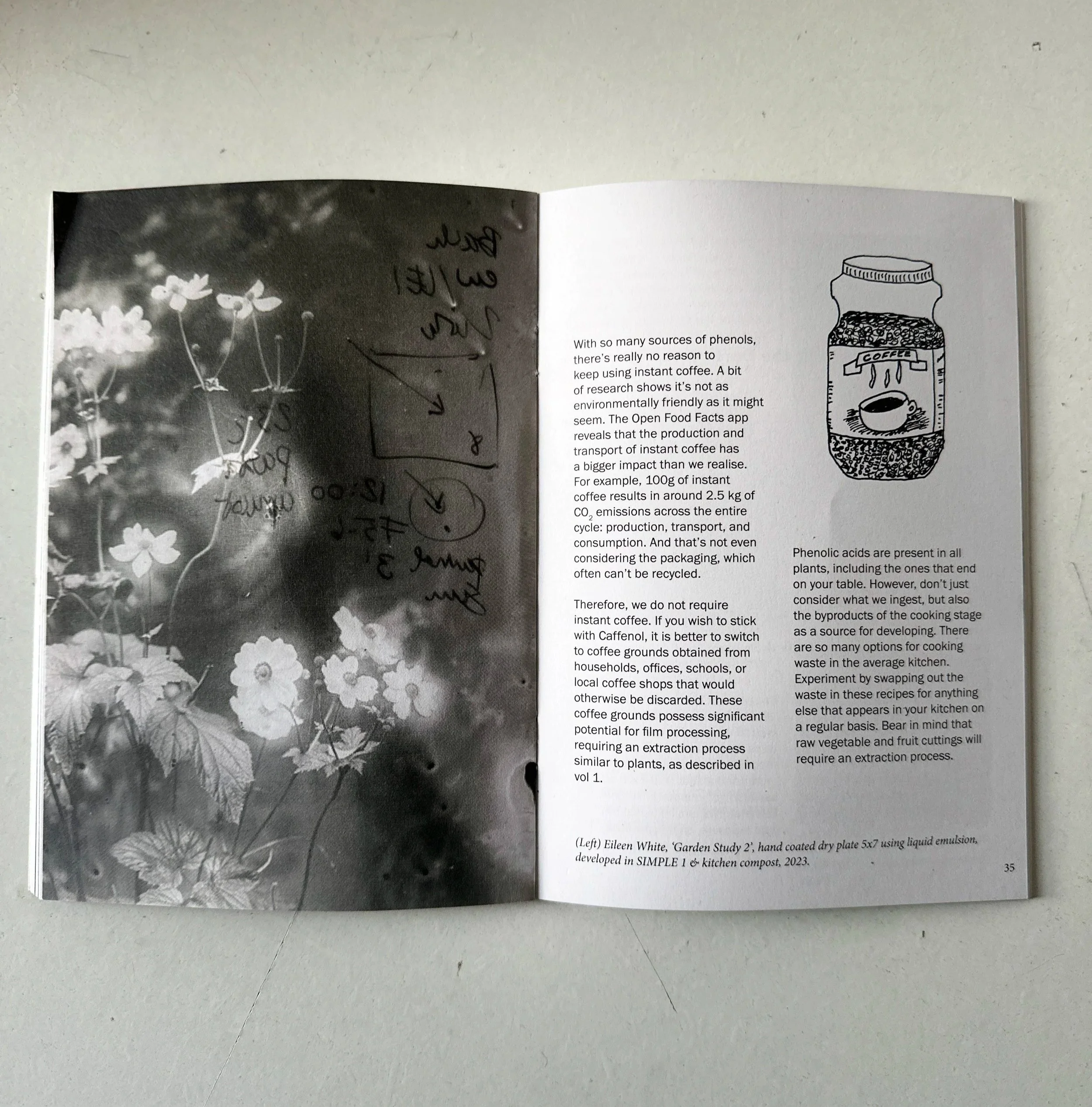
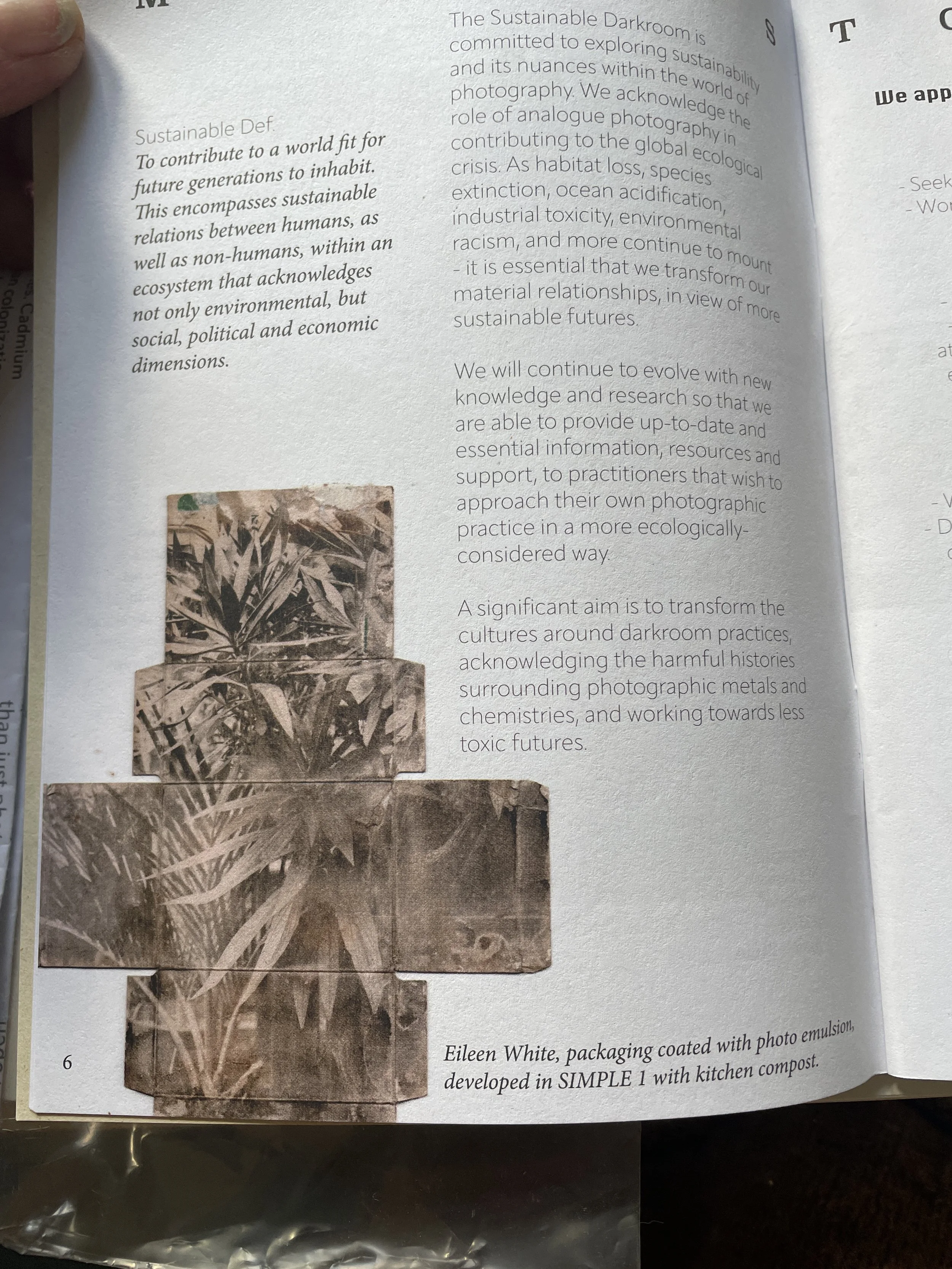
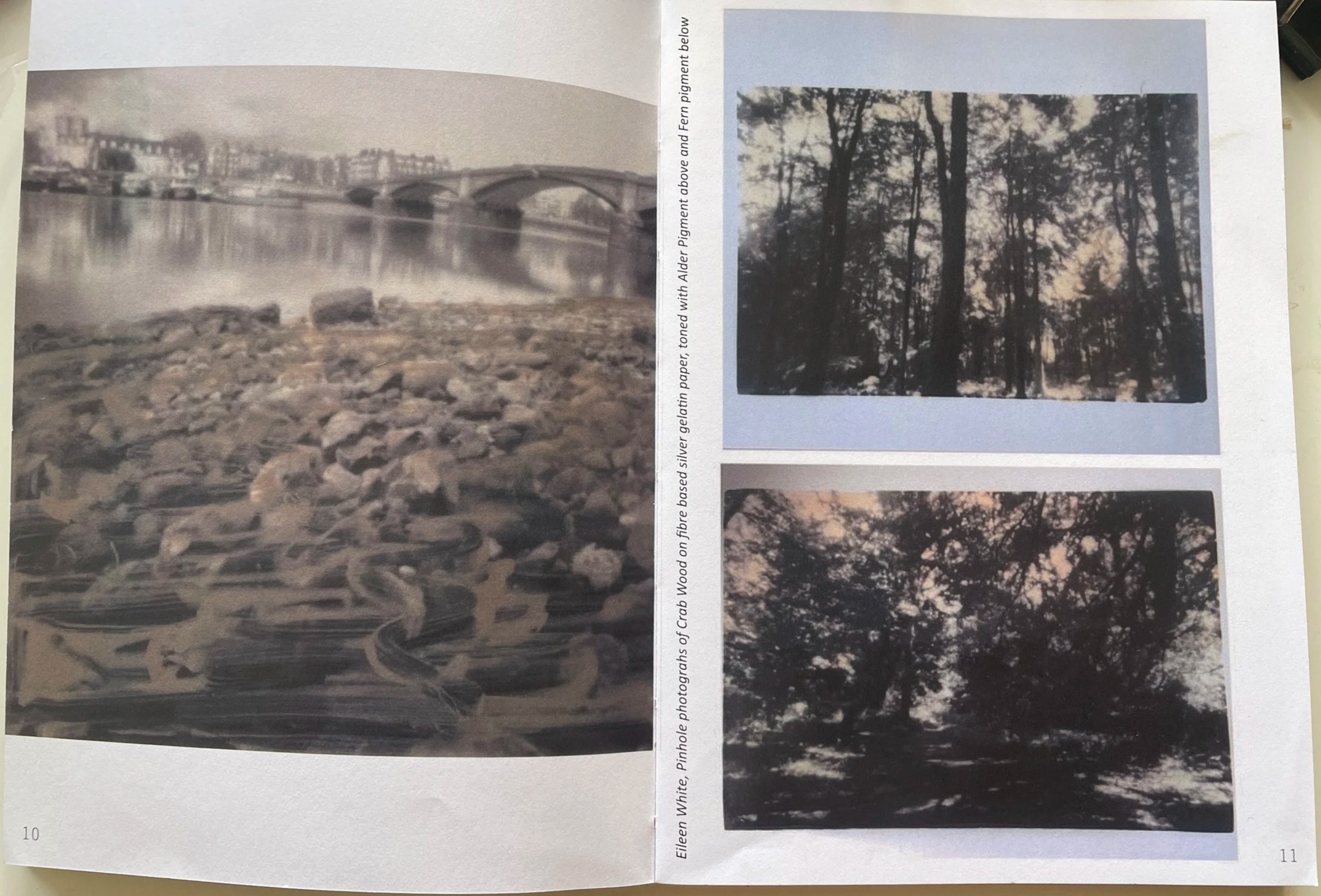
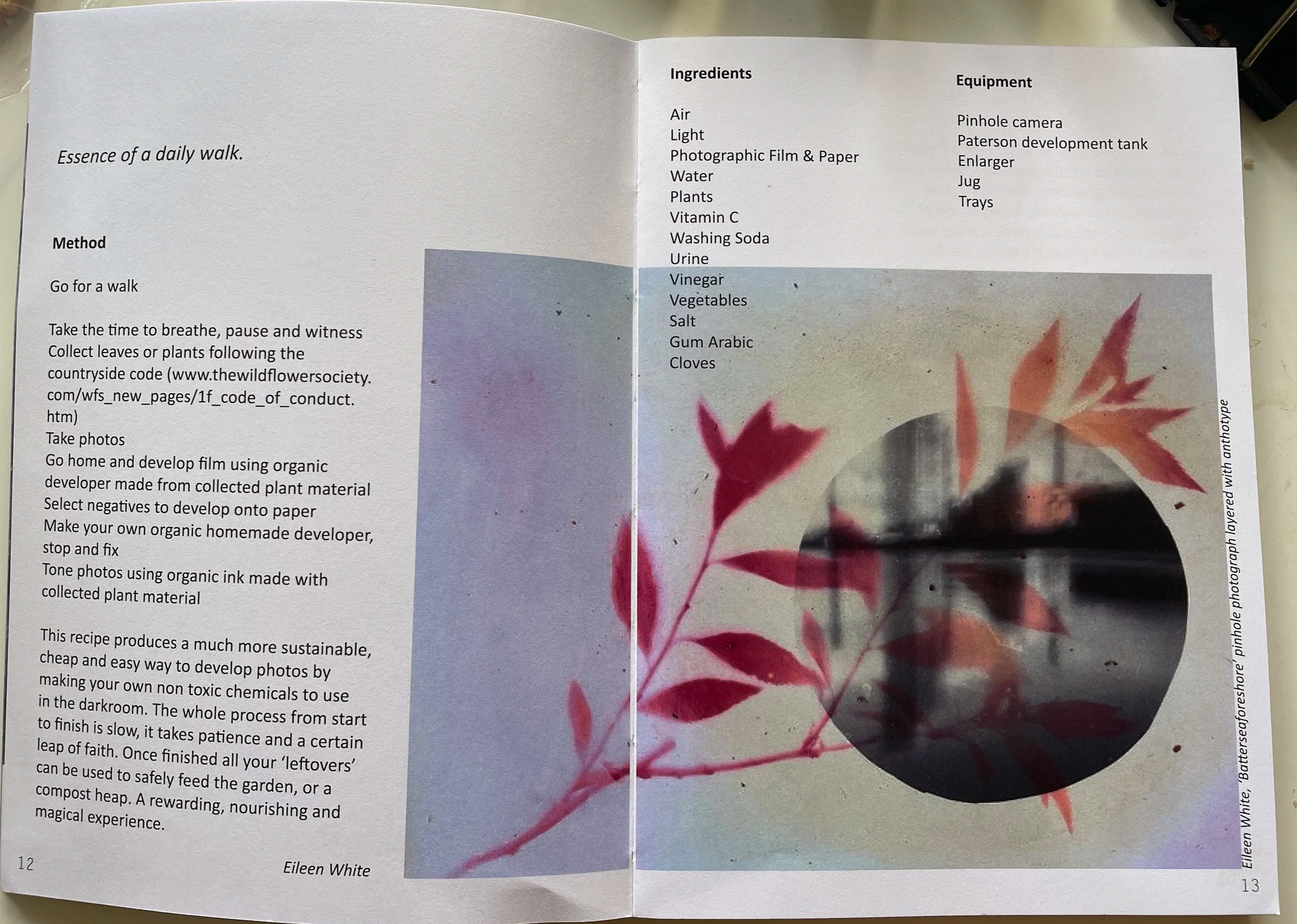
Eileen has had her artwork and writing published in a variety of publications produced by ‘The Sustainable Darkroom’. This charity is an artist-led, research community that develops low-toxicity chemistries and practices in photography.
All publications are available to buy from their website.

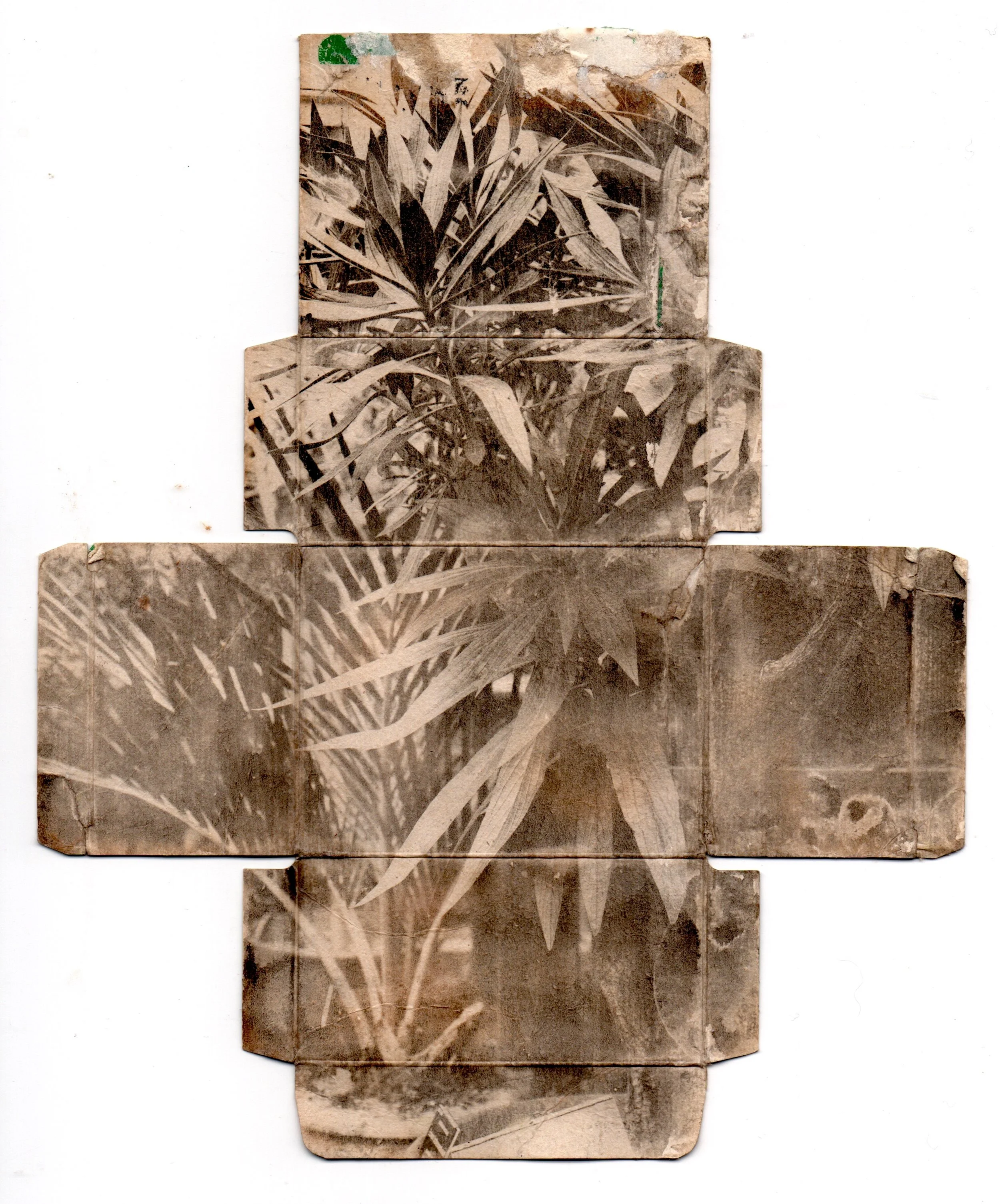
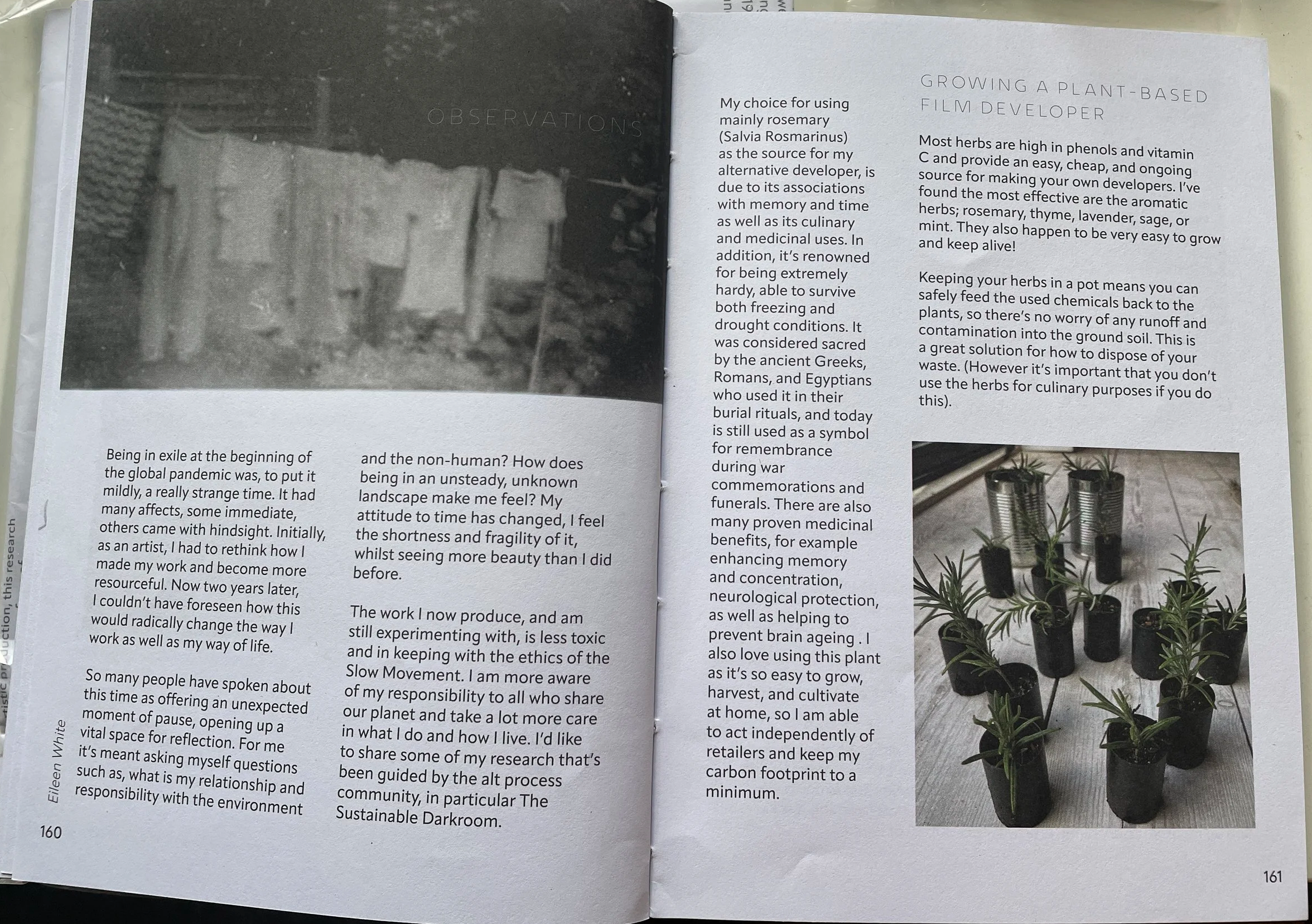
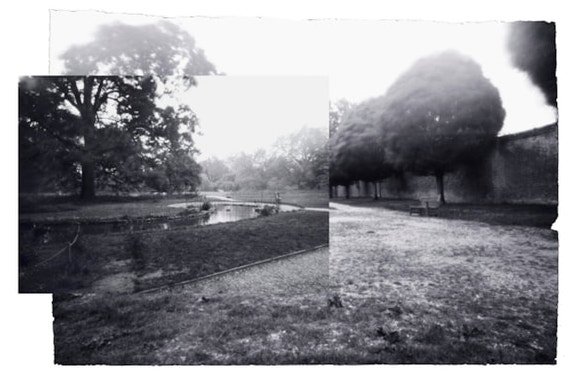
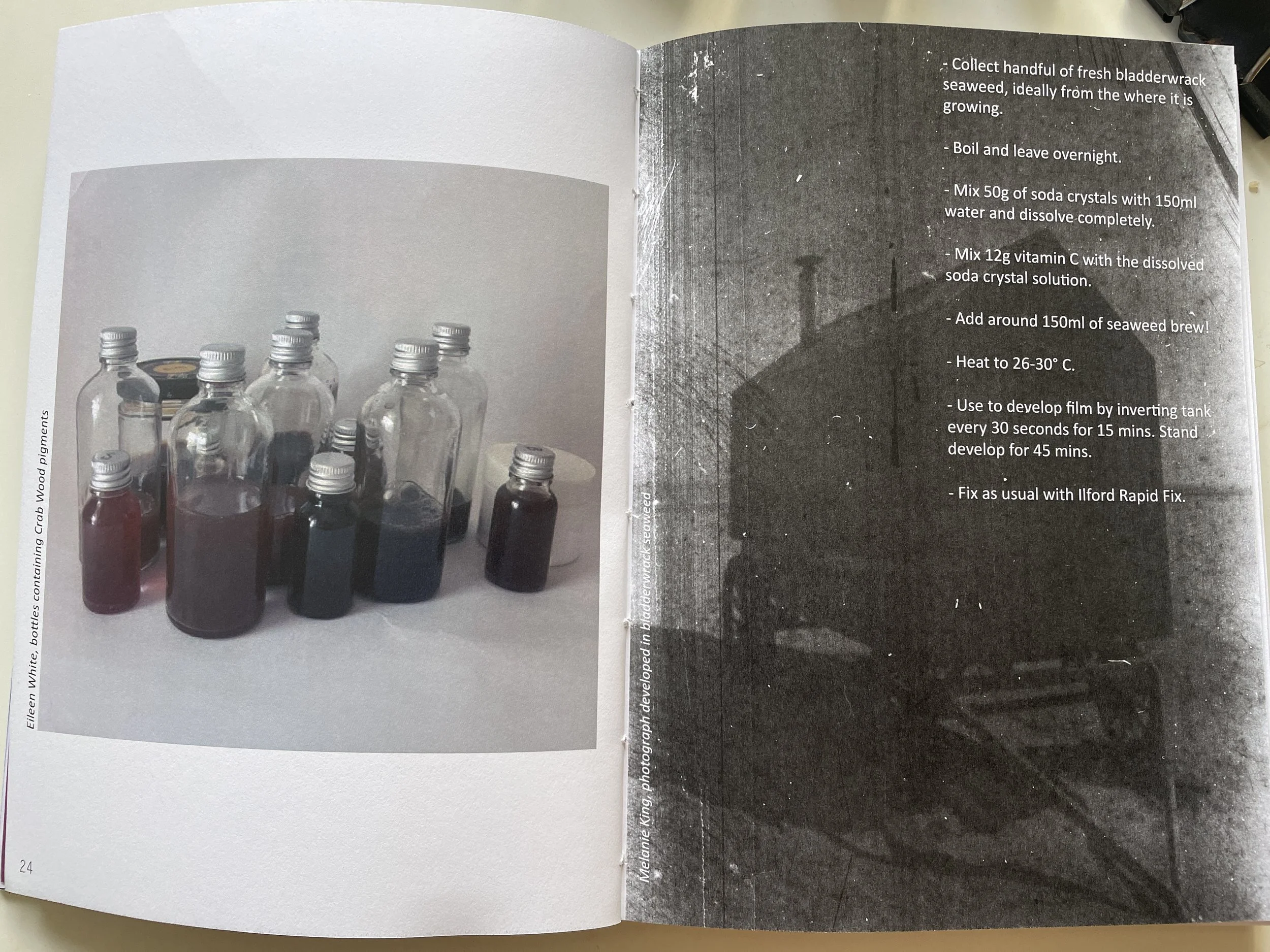
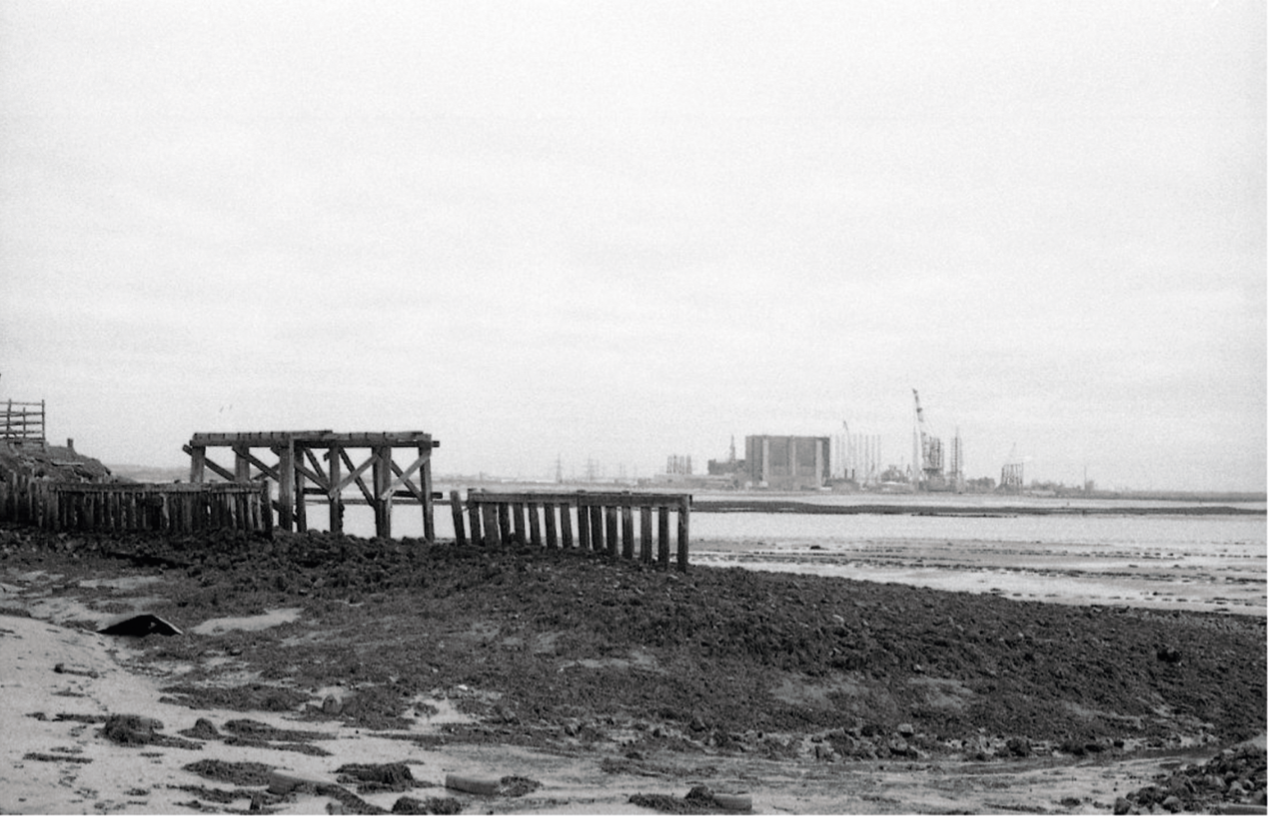
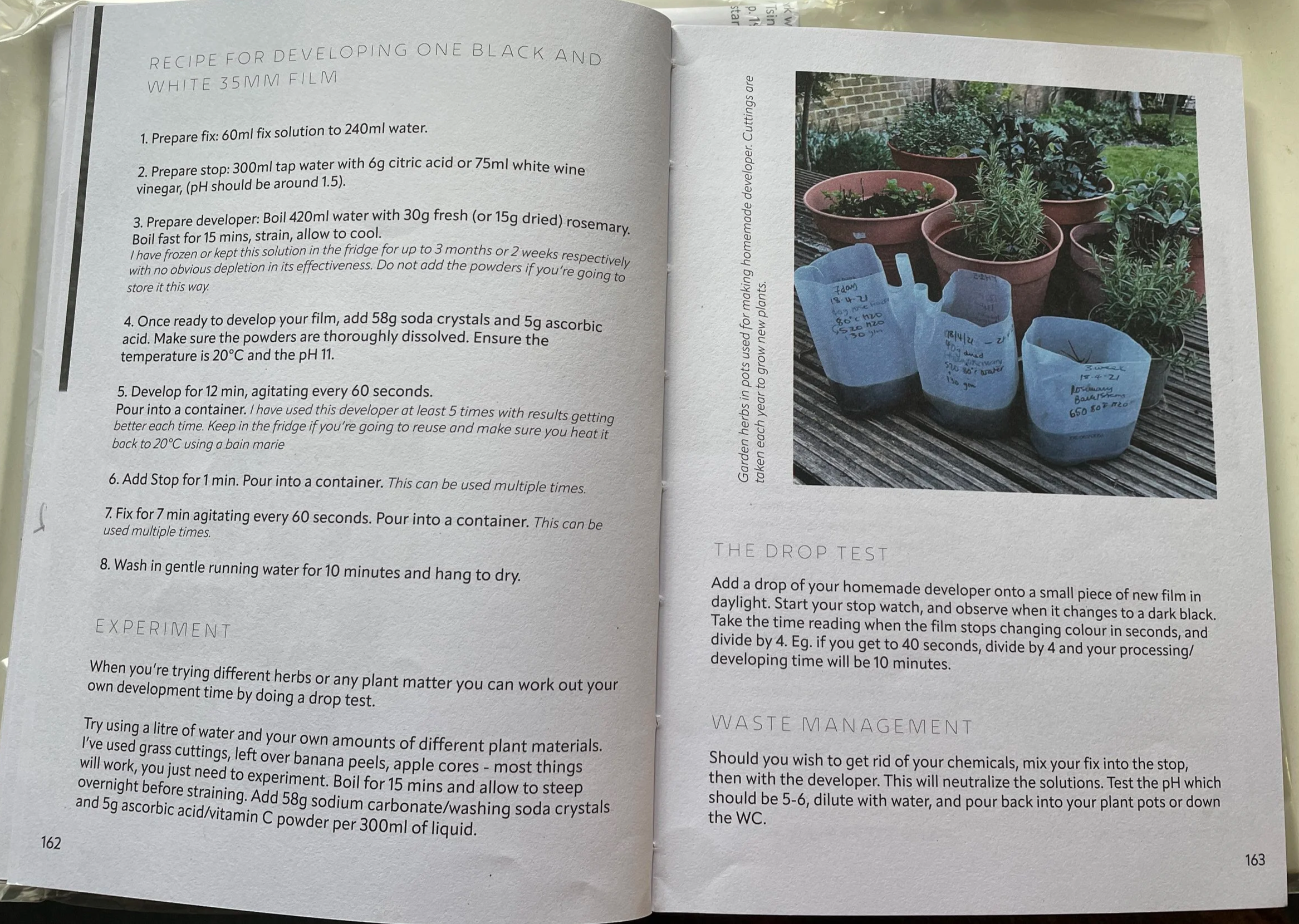
Exhibitions Archive
-
![]()
Osmosis
DEGREES OF FREEDOM
Espacio Gallery, London
May 2020
-
![]()
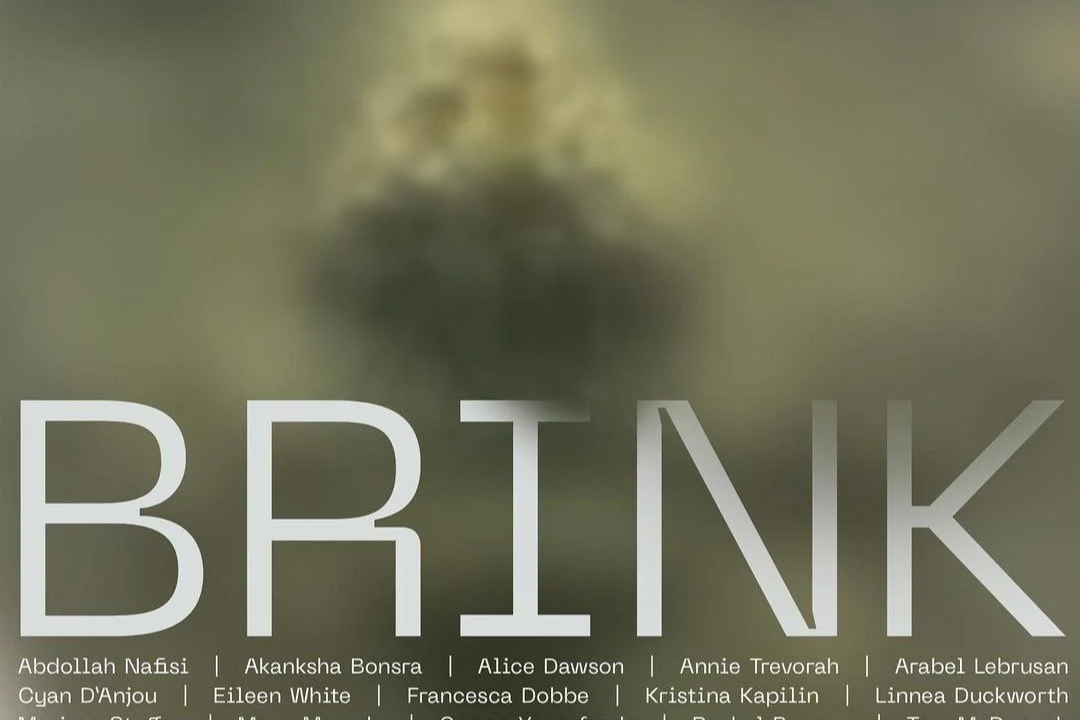
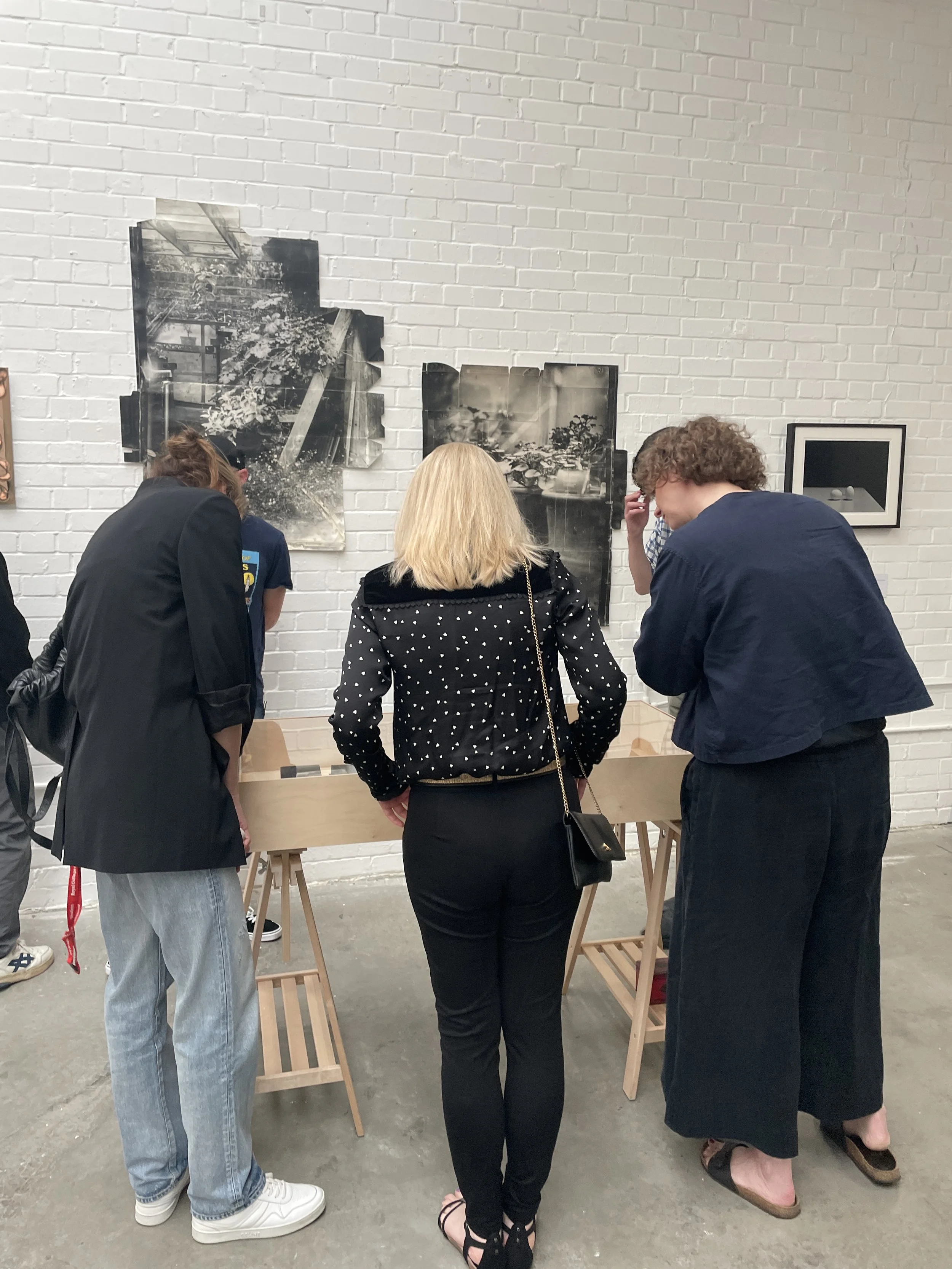
BRINK
ROYAL COLLEGE OF ART
March 2023
-
![]()
Beyond Silver
LONDON ALTERNATIVE PHOTOGRAPHIC COLLECTIVE
The Hive Birmingham
May 2023
-
![]()
Royal College of Art Graduate Show
Truman Brewery, London
July 2023
-
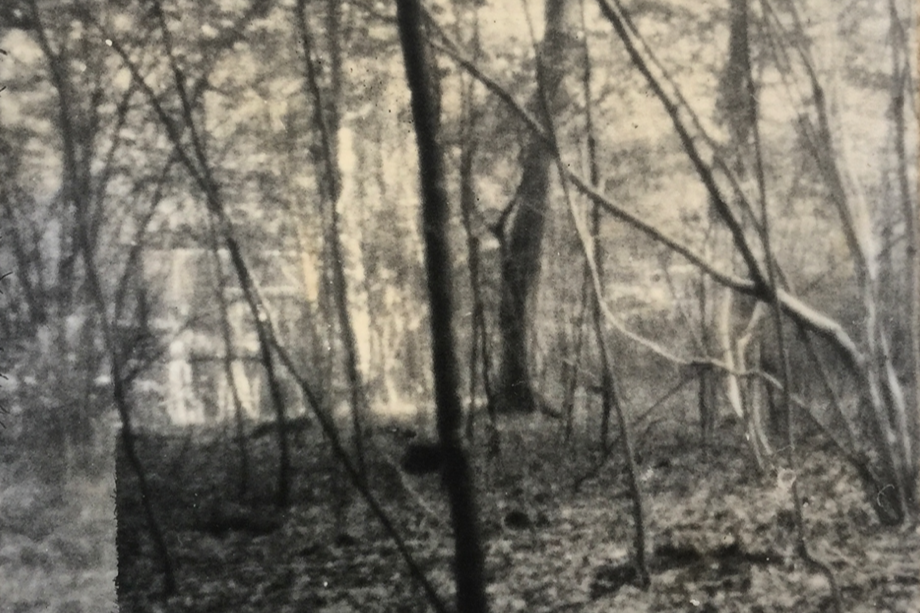
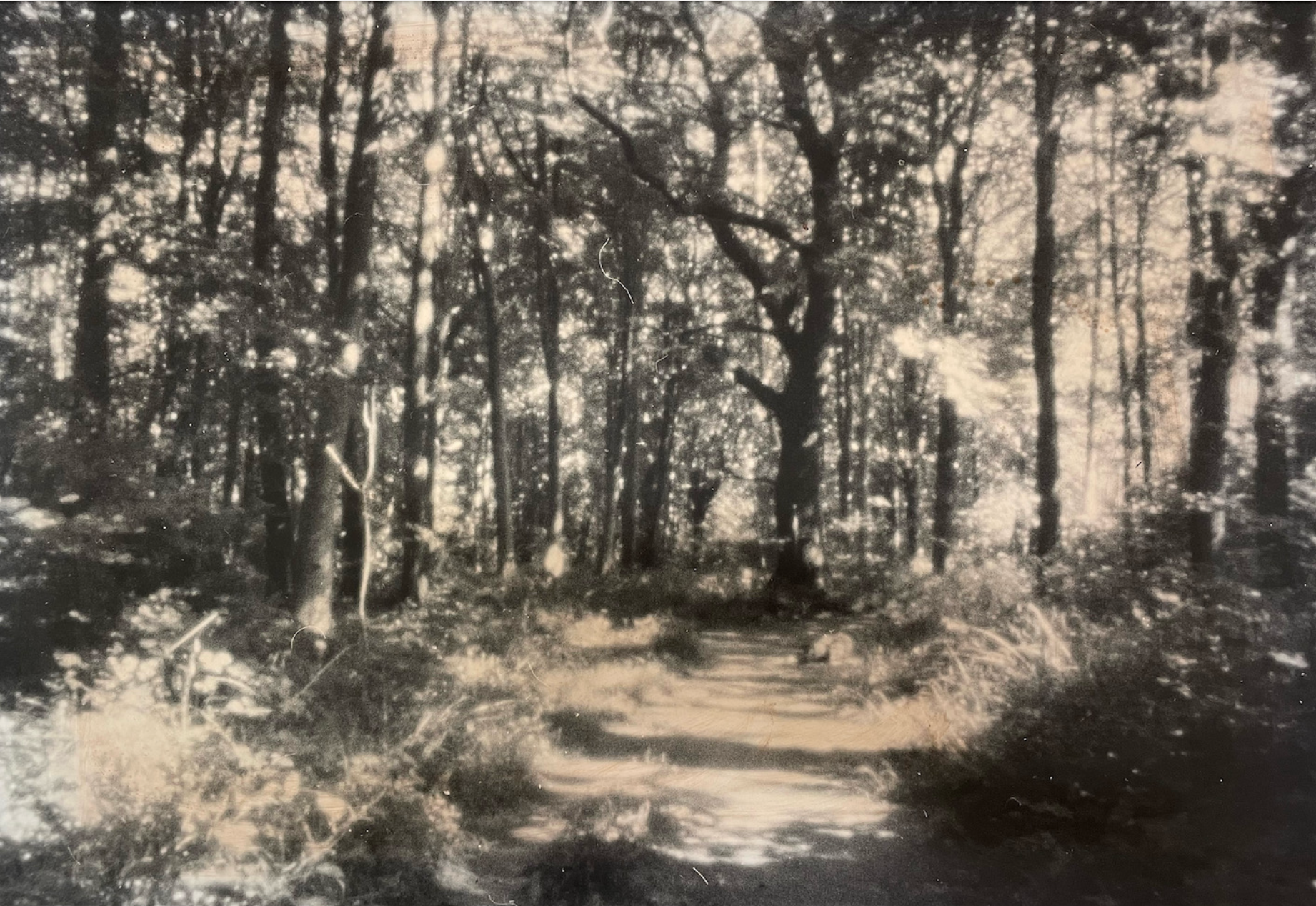
![eepia image of a tree in a woodl]()
Edgelands
Yellow Table Gallery, St Tudy, Cornwall
September 2023
-
![]()
Quiet Resistance
Safehouse Gallery, London
October 2023
-
![]()
Photofrome
Frome LIbrary, Somerset
October 2023
-
![abstract lblack and white image of a cerll like construction]()
Hull International Photography Festival
SUSTAINABLE DARKROOM
Hepworth’s Arcade, Hull
November 2023
-
![light box image in black and white of anenomes in a garden diffused light]()
Symbiosis
LONDON ALTERNATIVE PHOTOGRAPHIC COLLECTIVE
Four Corners Gallery, LondonJanuary 2024
-
![collage black and white image of a plant in a garden uigte wabi]()
Symbiosis 2
LONDON ALTERNATIVE PHOTOGRAPHIC COLLECTIVE
Four Corners Gallery, LondonMay 2024
-
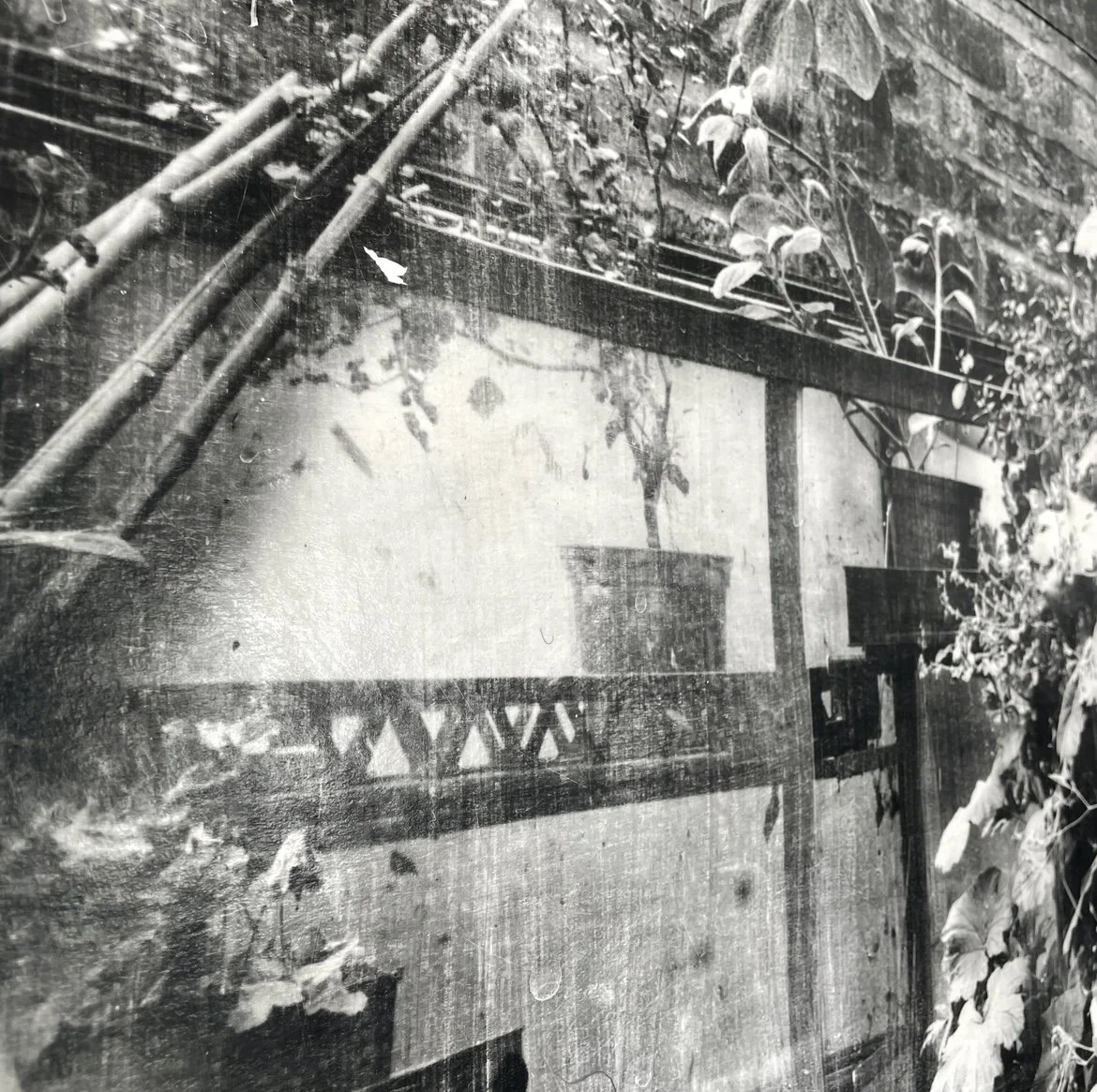
![black and white image of shelf with a plantpot, looks dreamy]()
The Now and The Far
MIDDLESBROUGH ART WEEK
Auxiliary ProjectsSeptember 2024
-
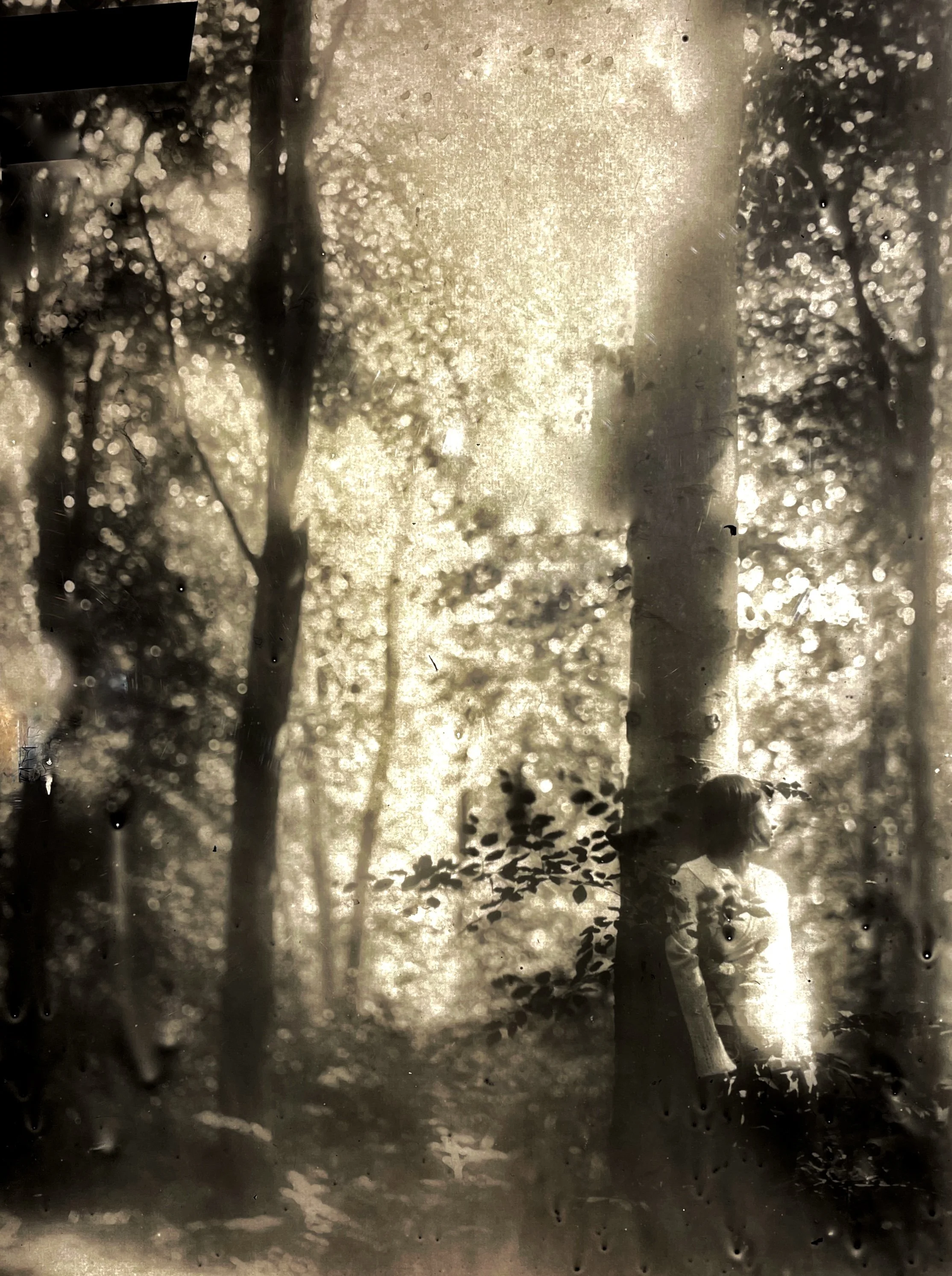
![image of trees on a lightbox showing a girl looking up to the sky. all sepia colours quite magical]()
Common Ground
PHOTOFRINGE, BRIGHTON
Hold CollectiveOctober 2024